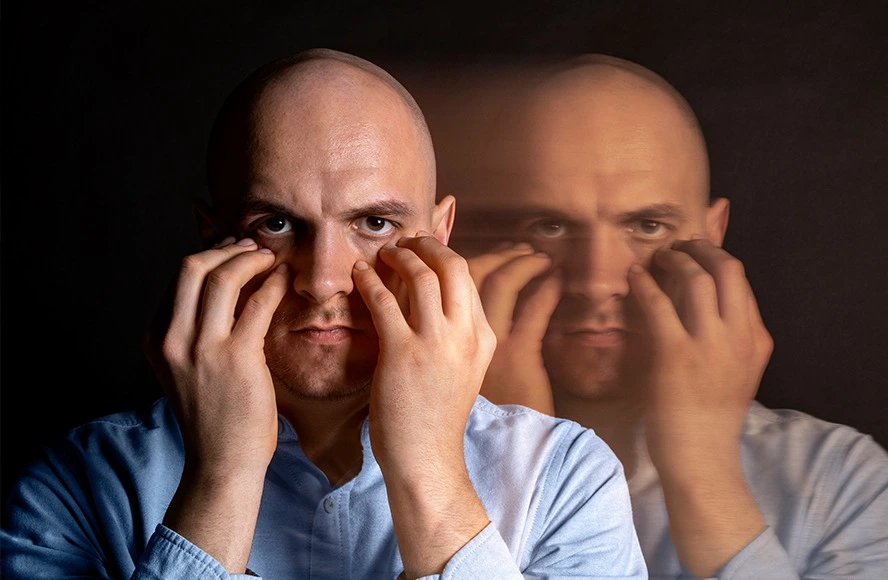

For those who have obsessive-compulsive disorder, each day can seem like a vicious cycle of unwanted, intrusive thoughts and anxiety that can sometimes only be calmed with compulsive behaviours. However, there are effective, evidence-based OCD treatments that can change someone’s life if done properly. The right treatment will allow many people to take back control of their minds, lower their level of anxiousness, and have an overall sense of tranquillity. At Mindvibe mental health clinics, we consider a person to be more than just their symptoms, and this approach to treatment is essential in providing sustainable recovery.
The Challenges of Overcoming OCD
OCD is not just about cleanliness, but rather an anxiety disorder characterised by repetitive negative thoughts (obsessions) that cause undue worry and repetitive behaviours (compulsions) that are performed in an attempt to ease the anxiety associated with the negative thoughts. Anyone diagnosed with OCD needs to seek professional assistance, as, left untreated, it has the potential to disrupt their daily life.
Common Obsessions:
- Fear of contamination
- Fear of harming other people
- Sexual or religious intrusive thoughts
- Fear of making a mistake
- A need for symmetry or perfection
Common Compulsions:
- Excessive cleaning/washing hands
- Repeatedly checking things
- Counting/calling things out mentally
- Seeking reassurance
- Avoidance behaviours
The Importance of Professional OCD Treatment
When you manage OCD on your own, you may become frustrated and exhausted. Without professional help, you will likely experience intrusive thoughts that overwhelm you, rather than being able to use willpower to eliminate those thoughts. Furthermore, avoiding triggers for your OCD will often worsen the symptoms over time. At Mindvibe, the goal of our treatment is to inform patients regarding how OCD develops and continues to function in the brain, therefore helping them learn new strategies for coping with OCD and not feeling judged or pressured.
Professional OCD treatment offers you the following:
- Accurate diagnosis of your OCD
- An organised system for the treatment of your OCD
- Medication management when needed; and
- Continuous follow-up, support, and available adjustments, if needed.
Four Proven Treatments for OCD
Exposure and Response Prevention Therapy (ERP)
Exposure and Response Prevention Therapy (ERP) helps individuals face the fears that trigger their compulsive behaviours. Gradually facing these fears produces a natural decline in anxiety over time, resulting in a decreased sense of urgency to carry out these behaviours. ERP, while challenging, is an extremely effective way to combat Obsessive-Compulsive Disorder when delivered by qualified clinicians.
Medication Management
Medications are prescribed to manage the chemical imbalances in the brain associated with OCD. Although medications do not eliminate OCD symptoms, they help alleviate the intensity of the symptoms, enhancing the success of ERP treatments. A psychiatrist monitors each individual closely, documenting any changes in effectiveness, possible side effects, and dosage changes, to ensure safety and progress in the treatment process.
Cognitive Behavioural Therapy (CBT)
Cognitive Behavioural Therapy (CBT) provides individuals with an understanding of their intrusive thoughts, feelings, and behaviours, as well as strategies to challenge distorted thought patterns and manage their obsessional thoughts more effectively.
Integrated Psychiatric Care
Many individuals with OCD also suffer from anxiety and/or depression. Treating all three of these conditions together results in more successful long-term outcomes. Mindvibe provides integrated psychiatric care; therefore, nothing falls through the cracks.
When to Find an OCD Specialist
Not every mental health provider is familiar with and specialised in treating individuals with OCD. Many people begin their search for help with OCD by looking for an “OCD psychiatrist near me” or another mental health professional who has received specialised training and utilises evidence-based practices to treat OCD. Our professional team can help match patients with providers who specialise in treating OCD using evidence-based methods.
A specialist will know about:
- The different types of OCD
- Changes in symptoms over time
- What types of treatment are most effective for a person
Accessing Care Through Mental Health Clinics
Finding the right mental health treatment can often begin within trusted clinic environments that offer full-service psychiatry and other types of therapy. By combining all of these services at a mental health clinic, an individual can receive both coordinated care and appropriate OCD treatment, medication management, therapy, and continued monitoring/follow-up. This approach allows patients to feel they have the support needed to be successful in their recovery journey, enabling them to build on their strengths while integrating and practising healthy coping skills so that they may experience improved overall mental wellness and quality of life. Mindvibe has established a unique “clinically based” framework that allows them to provide:
- Personalised Treatment Plans
- Ongoing Monitoring
- Long-Term Support
- Safe, Supportive Environment
Online psychiatry’s role in treating OCD
For individuals who have very busy lives, difficulty getting around (due to being ill or disabled ), or are afraid to go into or take the time for an actual in-person appointment, seeing an online psychiatrist is a great way to approach their issues. Many of the barriers preventing people from accessing traditional methods of medication and assistance have been eliminated by having an online psychiatrist available to assist them. Mindvibe offers to provide the same quality of care as an actual psychiatrist, but allows patients to obtain assistance through a contactless option within their own homes and without having to travel outside of their comfort zones.
What Does “Progress” With Treatment For OCD Look Like?
Progress does not mean that obsessive thoughts will disappear immediately for an individual. With ongoing treatment, one learns to cope with one’s OCD as opposed to succumbing to it. Progress usually manifests as one having:
- Decreased emotional response to obsessive thought
- Reduction in compulsion urgency
- Enhanced feeling of confidence in managing anxiety
- Improved daily functioning
- Greater ability to control oneself
How Mindvibe’s Approach Makes a Difference
The way Mindvibe helps people with OCD is different because they take a compassionate, personalised, and empowering approach. There is no single answer that would suit every person. Mindvibe works with the individual to find the best option for their needs through the following methods:
- A treatment based on scientific evidence
- A focus on the person receiving treatment and their family
- The continuous support and updating of treatment
- Providing a no-judgment opportunity for people with OCD to receive the help they need.
Conclusion
Living with OCD may seem like it would be an experience of hell for you, but living with OCD doesn’t mean that living your best life has to be limited to just those feelings. Relief from the relentless worry and compulsions of OCD is within reach through evidence-based treatment options currently available. Mindvibe offers caring, personalised, and effective OCD treatments designed to help their clients take control of their lives again. Mindvibe can provide you with the support you need to heal, whether it’s through Dallas mental health services, a minimum of three days a week of an outpatient program, or flexible day/night/weekend options and affordable rates.
Frequently Asked Questions
Can professionals treat obsessive-compulsive disorder with great success?
Absolutely. A professional treatment plan for individuals with OCD can significantly reduce an individual’s symptoms and improve their quality of life.
Do you have to take medication for OCD?
Not necessarily. Some people do well with just therapy, but many people combine medication and therapy.
How long does it take to see success from OCD treatment?
Success can vary from person to person, but many see some success in a few weeks to a few months after beginning consistent treatment.
Is virtual psychiatry an effective way to treat OCD?
Yes. Many individuals use and benefit from online care, especially when the online care is combined with structured therapy.
I tried to get help for OCD before, but it didn’t help me; what can I do now?
Your treatment plan can be changed, and working with a specialist in the area of OCD generally provides greater success.