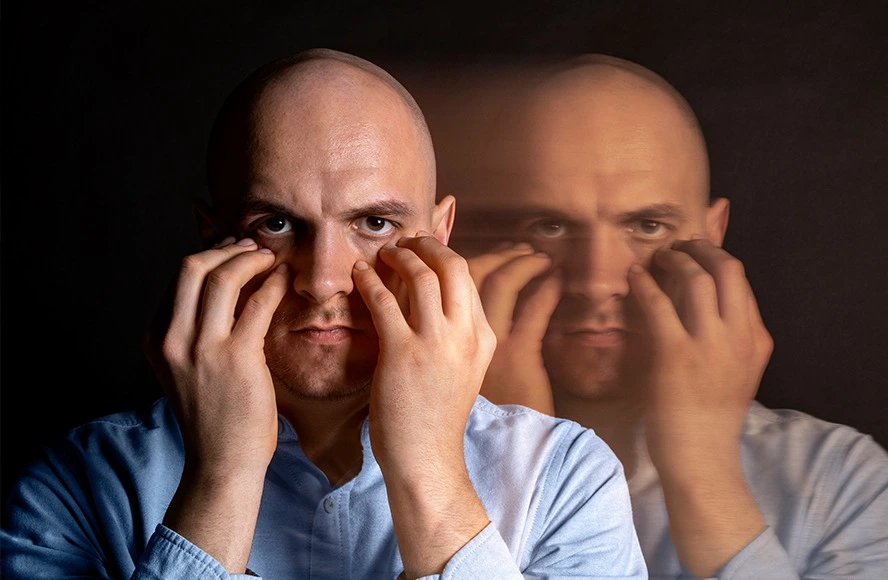

The assumption that depression can only be treated via encouragement, motivation, or changing one’s mindset does not accurately reflect what depression really is. Positivity has a place in the healing process, but it does not solve the many deeper emotional and psychological issues related to one’s depression. It is here that a depression treatment clinic provides structured and professional services and is much more effective than surface-level strategies. Many have erroneously believed that the individual is 100% responsible for changing their mindset when, in reality, through professional resources, depression treatment centres can provide the tools, support, and techniques to help the person heal from the inside out and create a more sustainable resolution to their depression.
Why Positive Thinking Alone Falls Short
Some individuals may approach individuals with mental illness and say, “Simply be positive.” Those who have been battling mental illness generally experience such comments as a way of dismissing their symptoms of excessive worry, which generally stems from a false sense of self-worth or value. Furthermore, becoming dependent solely on the idea of being positive may lead to feelings of guilt and deeper levels of hopelessness amongst individuals with anxiety or depression. As mentioned previously, numerous physiological changes occur in the brain, including alterations in brain chemicals, modified stress responses, and altered emotional responses.
What Structured Care Really Means
Structured Care is a coordinated approach to mental health treatment that takes into account each individual’s needs and symptoms, rather than a single method used for all. The treatment plans will be personalised and tailored to the individual receiving the treatment.
Personalized Treatment Planning
The first step to recovery is to learn about the individual who is presenting the issue. Clinicians will take time to consider not only the Individual’s emotional history but also their lifestyle factors, current stressors, and any coping strategies they may currently have in place. With the knowledge the clinician gains from the Individual, the treatment plan becomes more personalized, relevant, and attainable rather than generic and unmanageable.
Evidence-Based Therapies
Evidence-based therapies and Clinical Experience inform Structured Care Therapy, using Modalities that include CBT, Trauma-Informed Care, Mindfulness, and other strategies that combine Cognitive Behavioural Therapies (CBT) with Emotionally Focused Therapies. According to the Mayo Clinic on depression treatment, a combination of therapy, medication, and lifestyle changes often yields the best outcomes for individuals with depression.
The Role of Medical Expertise in Depression Care
Depression can be caused by both emotional and biological factors that may need medical help. In some cases, medication may be part of a recommended comprehensive treatment plan. The decision to prescribe medication should not be made lightly, and each case should be assessed based on the individual’s report of symptoms and their medical history. By using a psychiatric treatment for depression in treating clients with depression, there is careful monitoring of the medical treatment being given.
Why Environment and Support Matter
Healing cannot occur by itself. The way care is provided has a huge part in how we heal from illness. A calm, supportive environment can create a space where you feel comfortable enough to talk about what happened and really think about how you will continue to get better.
When we’re looking for a mental health clinic near me, we usually choose one that is close to home because being able to get to an appointment without any problems makes it easier for people to manage their treatment and incorporate it into their daily lives. Being able to attend regular appointments is often what separates short-term relief from long-term change.
Building Trust and Emotional Safety
The effective treatment of mental illness is based on the development of trust. When we build trust, we tend to be more willing to discuss our most troubling experiences and thoughts. This increased openness allows us to heal and grow more deeply throughout treatment.
In addition to helping develop trust, supportive therapeutic relationships may also mitigate some of the stigma associated with depression. A belief that help will be provided in a nonjudgmental manner can have a positive impact on individuals who may otherwise feel stigmatized.
How Structured Care Supports Long-Term Recovery
Structured care shows a better understanding of what true life frameworks, like depression, should look like. Rather than offering unrealistic expectations through “miracle cures”, MindVibe’s depression treatment clinics focus on providing a comprehensive approach to developing and supporting a sustainable growth pathway. Clinics measure progress not only through symptom relief but also through improvements in quality of life, emotional awareness, and coping skills. Treatment clinics use continuity of care as a framework for treatment, ensuring that individuals do not experience a lack of support after the initial treatment and improvements.
Learning Skills That Last
One of the primary benefits of structured care is that people get a better understanding of their skill development. This includes learning how to identify their triggers, cope with stress, and respond to emotional stressors in a positive way. The skills taught during treatment are not lost at the end of treatment; rather, those learned through the process are integrated into the person’s daily life. The sense of being prepared can give individuals greater control, even in difficult times.
Conclusion
The choice of a care provider is often heavily influenced by where they are located. If care providers are located nearby, this offers quicker access to professionals experienced in their speciality, helping ensure that care is delivered according to up-to-date clinical standards and best practices. Those looking for a psychiatrist in Dallas can consider MindVibe.
While positive thinking may be a helpful addition to the healing process, it should never be the basis of recovery from depression; understanding and structure, as well as professional assistance, are crucial to healing from depression. When care is based on a personal understanding and structured consistently, the hope of recovery becomes possible.
Frequently Asked Questions (FAQs)
When do I need to get help for Depression?
If your mood persists at a low level due to feelings of sadness or lack of motivation and continues to impact your career, social life, and ability to function daily for several weeks or more, then you may want to seek assistance from a mental health professional.
Can Therapy Help?
Yes. Therapy is helpful to those who are going through a bad time or have ongoing emotional distress patterns.
Is medication required if I do not want to take prescription drugs?
Not every individual will require medication. The treatment plan will be developed in agreement between the mental health professional and the patient and tailored to the patient’s comfort and needs.
How long should I expect my Structured Care to last?
There is no standard time frame for structured care. Some patients benefit from receiving short-term care, while others will receive long-term support and care. Results will be continually monitored, and as the patient progresses, the goals will change, and the plan will adjust as needed.
Is feeling nervous before beginning treatment a normal response?
Yes! It is quite common to feel uncertain or anxious prior to starting therapy, particularly when discussing your individual experiences.