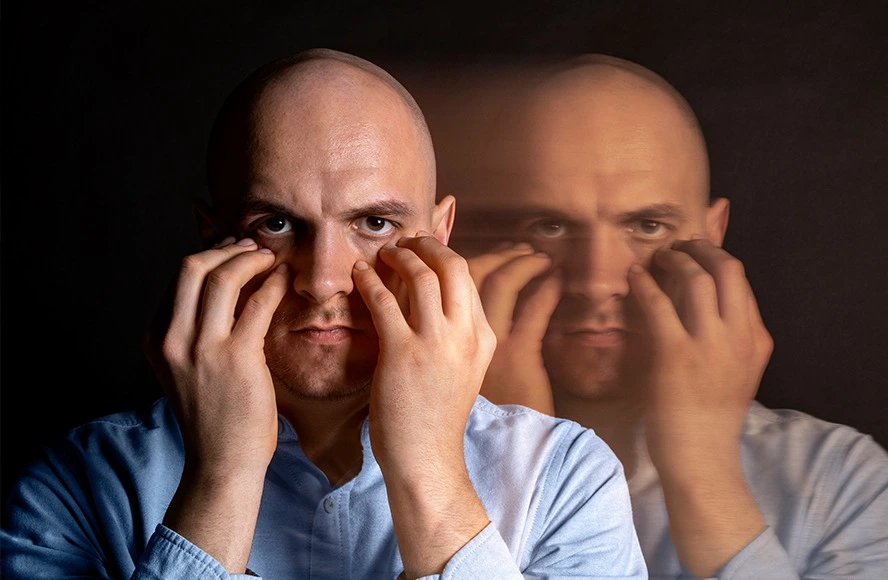

Most of the time, when the term eating disorder is used, people automatically associate it with food; they think about what someone is eating, how much they are eating, or what kinds of food they are avoiding. While the focus on food is important, it is not the whole picture. Eating Disorders are rarely solely related to willpower or appearance. Many other factors can influence and be influenced by these disorders. It is important to understand that there is a lot behind the scenes that impacts someone who has been diagnosed with an eating disorder, because it is only when you begin to look at the whole person, rather than the symptoms, that true healing can begin.
For more information on what eating disorders are, their symptoms, and treatment approaches, see Cleveland Clinic – Eating Disorders Overview.
Why Food Is Only the Visible Layer
Food behaviors are often the most noticeable part of the struggle, but they are usually a response to something much deeper. For many individuals, eating patterns become a way to cope with overwhelming emotions, regain a sense of control, or numb difficult experiences. Anxiety, depression, perfectionism, and unresolved trauma frequently play a role.
This is why meaningful recovery doesn’t come from meal plans alone. Effective eating disorder treatment looks at emotional health, thought patterns, and personal history, helping individuals understand why these behaviors developed in the first place and how to replace them with healthier coping strategies.
Emotional and Psychological Roots
The Role of Control and Coping
Eating behaviors are frequently the most visible feature of a disorder; however, they are often simply a manifestation of something deeper. For many, eating patterns become their way of coping with too much emotion, getting back some degree of control, or masking painful experiences or feelings. Disorders such as anxiety, depression, perfectionism, and unresolved trauma are often involved in the process of developing an eating disorder.
Identity, Self-Worth, and Inner Criticism
You cannot recover from an eating disorder on your own merely by using meal plans. The goal of effective eating disorder treatment is to help the individual not only examine their emotional well-being but also explore how their thinking patterns and personal history contribute to those behaviors, and how to replace those behaviors with healthier coping mechanisms.
When Binge Eating Is Misunderstood
Binge eating can be seen as a sign of a lack of willpower; however, this assumption can cause harm when it is believed by individuals suffering from this disorder. A binge will often occur because of a history of restrictive dieting, emotional turmoil, or chronic stress. After binge eating, people often feel guilty, which perpetuates the cycle of binge eating.
Symptoms associated with binge eating disorder include eating large quantities of food quickly, feeling like you have no control over your eating behaviour during a binge, eating in secrecy, and feeling guilty and/or emotionally upset after a binge. It is important to recognise these behaviours as signals pointing to deeper issues for appropriate binge eating disorder treatment.
The Importance of Professional Support
Recovery will be different for each person, and that is normal. Some may improve with outpatient services, while others require a more structured environment for their recovery. Specialized Eating disorder treatment clinics have been developed to provide a multidisciplinary approach to care that addresses both physical and mental aspects of an individual’s health in a coordinated manner.
When a person is experiencing greater levels of severity, they often require medical stability and continuous support from staff members throughout their stay in an inpatient eating disorder treatment. During the time the person is receiving treatment, an inpatient program will also help the person break away from the cycle of destructive behaviours they experienced before entering the program and allow them to receive intensive therapeutic support.
What Comprehensive Care Can Offer
The complete care model aims at long-term wellness, rather than just treating symptoms and having a more complete view of the person rather than using a clinical approach, a comprehensive care model provides people with coping mechanisms that can be used instead of disordered eating behaviours, through a positive environment, wherein the person is seen, respected, and understood, an individual is more likely to recover, as a supportive environment will provide the necessary trust to create a meaningful recovery process to heal both emotionally and physically.
Healthy Emotional Coping Skills
As coping tools and strategies for coping with emotions are learned and incorporated into daily routines, these are replacing the destructive methods previously used. Emotional coping tools will provide individuals with the ability to identify, understand, and process their emotions without resorting to disordered eating behaviours.
Core Beliefs and Past Experiences
Therapy focuses not only on current behaviours but also provides insight into the beliefs, thoughts, and past experiences that have led to the development of the restrictive eating behaviours. Developing a deeper understanding of why these behaviours have developed will enable the individual to break those patterns, thereby fostering a more compassionate relationship with themselves.
Physical Health and Medical Safety
Medical oversight is particularly important as the physical harm caused by disordered eating can have grave consequences on the body. Ongoing monitoring allows the individual to focus on emotional healing without physical complications or additional health risks.
Supportive Recovery Systems
Recovery is simpler when it’s not done by yourself. Comprehensive support focuses on building strong connections through professional assistance, peer-based support, and shared clinical care teams, providing structure and accountability over time.
Personalized Care at an Individual Pace
No two recovery journeys will be the same. A customized support model respects the person’s individual needs, readiness, and comfort level, allowing them to develop securely and effectively at their own pace, rather than systematically or hurriedly.
Healing Is a Process, Not a Straight Line
Progress in recovery rarely happens in straight lines. Recovery is full of ups and downs,s and sometimes makes you doubt yourself. It’s not about having no problems. It’s about having support and having the proper tools to deal with those problems. Healing requires learning to listen to your body, be comfortable with how you feel, and trust yourself again.
MindVibe is all about whole-person care, supporting emotional health, developing self-awareness, and encouraging sustainable change rather than quick fixes.
Conclusion
Eating disorders are not solely about food but rather how an individual handles things, how they interact with others, and how they see themselves. To achieve full recovery, you must look beyond the surface and address the emotional, psychological,l and relationship issues that exist; only by doing so can genuine healing occur. Recovery with proper assistance will shift from an overwhelming task to one grounded in information, not shame.
FAQs
Is recovery possible without focusing only on food?
Absolutely! Once again, the emotional and psychological aspects of the eating disorder could eventually lead to healthier eating habits on their own over a period of time.
Do eating disorders affect only certain age groups?
Not at all! Eating disorders can affect people at any age, regardless of sex or background.
How do I know if I need professional help?
If your eating behavior is negatively affecting your mental health, your relationships, or your ability to function in everyday life, then seeking support from a professional may be of great assistance.
What role does therapy play in recovery?
Therapy provides an individual with insight into the underlying reasons for the eating disorder, teaches them coping mechanisms, and assists them in developing a healthier relationship with themselves.
How long does recovery usually take?
This varies from person to person, as recovery will vary for each individual. Some people see changes and improvements within months, while others may take longer to receive the assistance that they require.