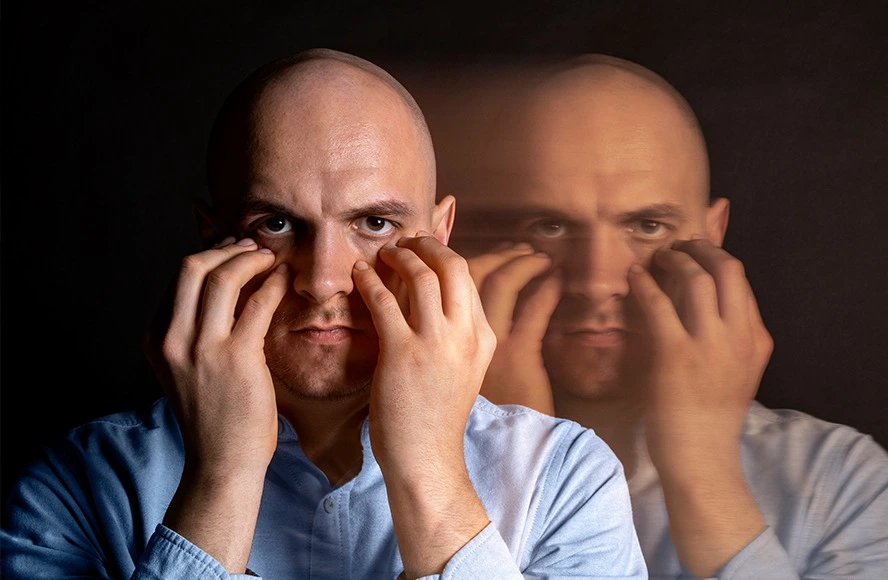
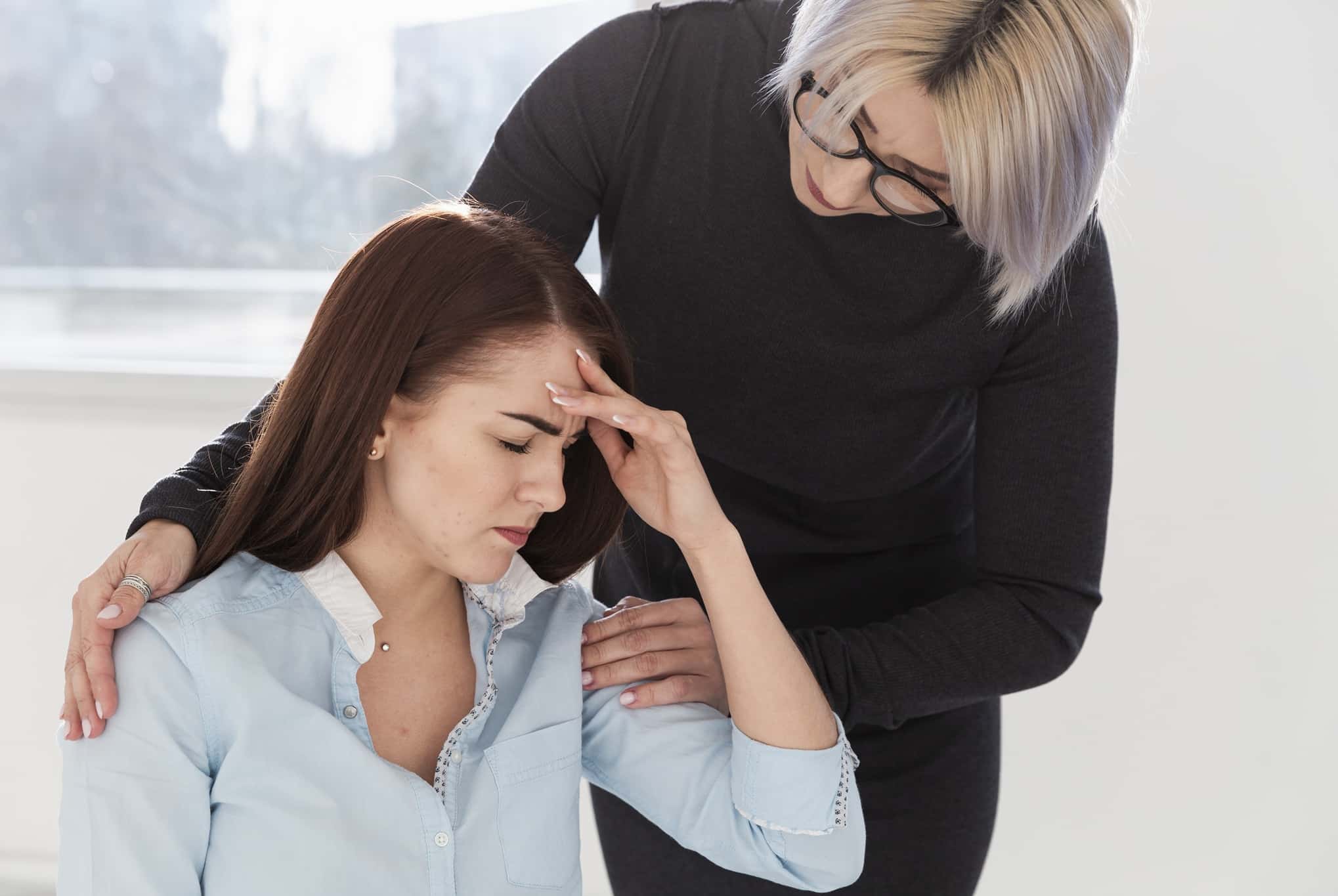
For many years, people who faced trauma were told to be strong, move forward, or cope with emotional pain. The suffering of these individuals was often viewed as less severe than it was. Because of that view, those individuals were expected to heal and cope emotionally on their own. These views are now changing, and therefore, there is an increasing awareness of how much PTSD now affects the brain, body, and daily lives. The shift toward compassionate care for those who have PTSD is the basis of how Mindvibe understands and provides PTSD treatment.
Post-traumatic Stress Disorder, or PTSD, was viewed as an infrequent event or only encountered by people in extreme conditions. However, PTSD is now being viewed as something that is often seen as a normal reaction to traumatic experiences, and should therefore be treated medically and emotionally with the same seriousness as someone suffering from other medical and/or emotional afflictions.
Understanding PTSD Beyond the Stereotypes
PTSD can develop both as a result of having experienced or witnessed trauma. Traumatic events can be defined as: accidents, abuse, loss of life, violence, medical trauma, or long-term exposure to emotional/psychological stress. PTSD in no way labels someone as weak; rather, it signals that their nervous system remains “stuck” in a state of survival. Many individuals suffer from the effects of PTSD throughout their lifetime without disclosing their suffering, as they believe they must be able to “handle it” independently. Examples of common PTSD symptoms include;
- Flashbacks/intrusive thoughts
- Emotional numbness/detachment from others
- Increased anxiety/hypervigilance
- Difficulty sleeping/nightmares
- Intense irritability/thoughts of being emotionally overwhelmed
Why “Just Coping” Is No Longer Enough
While coping mechanisms can keep a person alive, they are not sufficient to achieve full recovery. If someone is repressing emotions or fighting through symptoms, they will probably end up in a state of exhaustion, depression, or have an increase in PTSD symptoms. Consequently, people are increasingly seeking professional assistance from a psychiatrist. The psychiatrist treats you on an emotional and neurological basis, thus providing a more complete PTSD treatment option than just additional levels of surface coping methods.
The Role of a Psychiatrist in PTSD Treatment
Psychiatrists have an important part in treating PTSD because they have an understanding of the brain chemistry, emotional regulation, and stress response that occur due to trauma. In addition, people seeking a trauma psychiatrist near me for structured treatment can rely on MindVibe. We help individuals with PTSD reduce their symptoms, but also provide them with long-term support to remain emotionally stable. We provide psychiatric services that focus on PTSD, including:
- Comprehensive Evaluations
- Identifying Trauma Patterns
- Medication Assistance when Needed
- Continuous Monitoring and Adjusting
- Collaboration with Therapy
Medication as a Tool, Not a Solution Alone
Many people who have experienced trauma find medications helpful in controlling specific symptoms associated with that trauma; these include problems with sleeping patterns, anxiety, emotional changes (mood swings), intrusive memories/thoughts, etc. For the most part, taking medication alone does not give someone the resources they need to fully cope with trauma.
Mindvibe’s use of medications complements our overall treatment strategy, helps our patients feel safe and emotionally supported, and allows them to participate in active treatment. Our blended approach is typically what someone is looking for when searching for psychiatrists for PTSD near me to provide a calm, supportive atmosphere, not a hurried, disorganised environment.
Therapy and Psychiatric Care, A Strong Partnership
The combination of psychiatry (to manage symptom stability) and therapy (to help process trauma safely) creates an effective foundation for recovery. Mindvibe integrates psychiatric services with trauma-informed therapies so that patients feel supported by both the psychiatrist and therapist. Some of the goals of the therapy portion of the program include:
- Emotional processing and resolution of traumatic memories
- Repairing a lost sense of safety
- Decreasing avoidance/fear responses
- Increasing the ability to cope/gain grounding skills
Modern Treatment for Trauma Is More Compassionate
Increased Awareness About PTSD Has Led to More Humanistic and Person-Centred Therapeutic Approaches. Trauma-Informed Care Is Based on the View That People Do Not Require “Fixing”; Rather, They Require Understanding. Treatment for trauma at Mindvibe Is Provided Based on Each Individual’s Unique Timing, Rather Than Being Assigned to a Diagnostic Category. Today, The Approach to treating trauma effectively focuses on:
- Creating Safe Spaces and Building Trust
- Fostering Options and Collaboration Between Provider/Provider and Patients
- Creating a Space for Emotional Validation
- Allowing Time for Gradual Healing and Avoiding Force-Exposure.
Why PTSD Care Is Becoming More Visible
Consequently, an increasing number of people are seeking professional assistance sooner rather than staying silent and struggling on their own. There are several contributing factors to the growth of awareness regarding PTSD, which include:
- An increase in the education of mental health
- A decreasing amount of stigma associated with trauma
- Better comprehension of the diagnosis of PTSD
- Easier access to mental health and/or therapy services
When to Seek Help for Trauma
Early intervention usually yields better outcomes and prevents symptoms from becoming entrenched. You do not have to “prove” your trauma is significant enough; if you are experiencing any of these issues, you may want to seek out PTSD treatment:
- Your trauma affects how well you sleep or can concentrate.
- You experience intense emotional responses.
- You feel disconnected from yourself and/or others.
- You are experiencing ongoing feelings of anxiety/fear.
- Your current methods of coping are no longer sustainable for you.
Mindvibe’s Trauma-Informed Psychiatry Approach
According to Mindvibe, PTSD care should be delivered in a manner that is safe, respectful, and empowering. Patients will not simply passively receive PTSD treatment; they will be actively involved in their recovery. Being an active participant helps the individual transition from “survivor” mode to actually healing. The methods used by Mindvibe include:
- A personalised treatment plan
- Open communication
- Education on how to respond to trauma
- Long-term support and follow-up
Conclusion
Awareness about PTSD is growing and marking a dramatic turning point from the days of saying to someone, “get over it,” to giving genuine, compassionate support for individuals with PTSD. PTSD is not something you can get through alone. With professional psychiatric care and therapy, an individual has a chance to heal from the trauma.
At Mindvibe, we offer patients the opportunity to receive trauma-informed psychiatric care to support their long-term recovery. If you’re looking for PTSD psychiatric care or are looking for a trauma psychiatrist near you, or a psychiatrist who specialises in PTSD treatment, Mindvibe will provide you with a clear path forward and understanding of the trauma, so healing can occur.
FAQ
What is PTSD psychiatrist treatment?
It involves psychiatric evaluation, medication management when needed, and coordination with therapy.
Do I need medication for PTSD?
Not always. Treatment is personalised based on symptoms and individual needs.
Can PTSD develop years after trauma?
Yes. Symptoms can appear or intensify long after the traumatic event.
Is therapy required for PTSD treatment?
Therapy is strongly recommended to process trauma safely and effectively.
How do I find the right treatment for trauma near me?
Look for clinics like Mindvibe that offer trauma-informed psychiatric and therapeutic care.