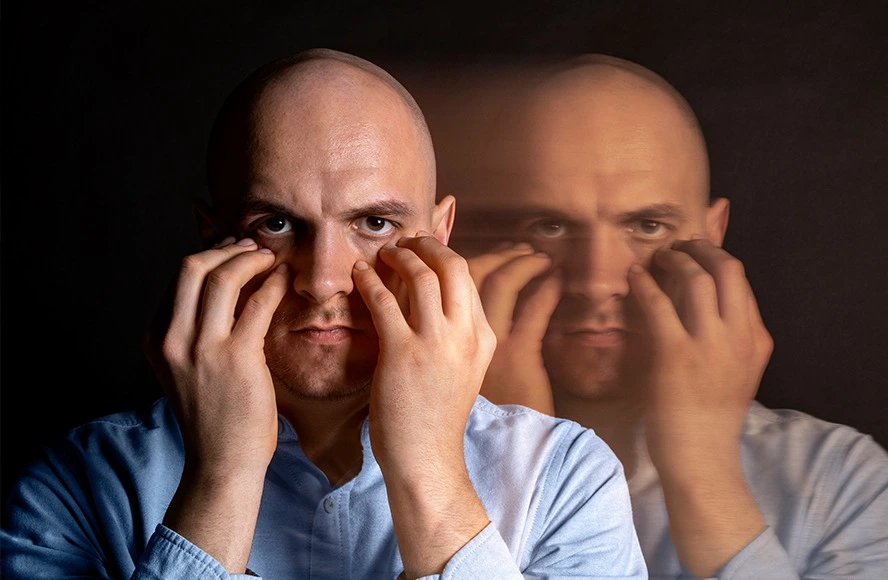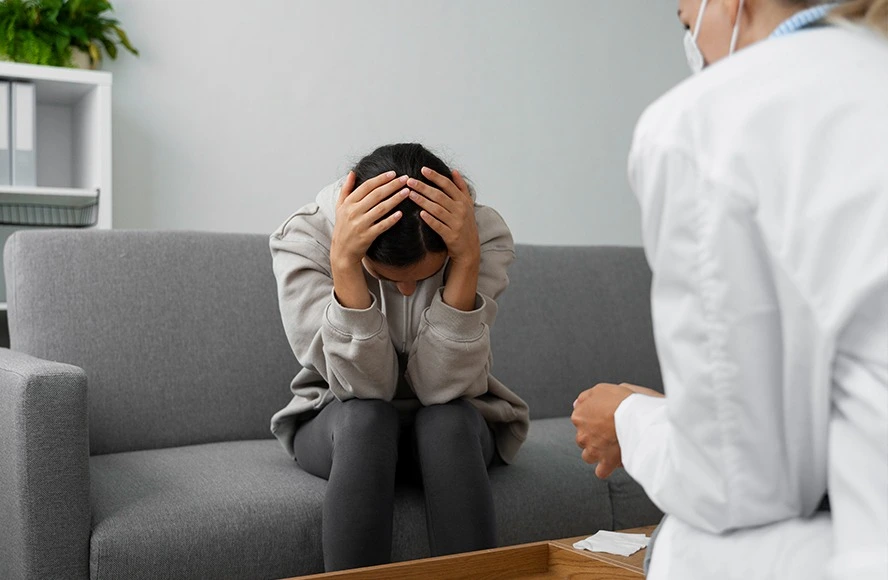
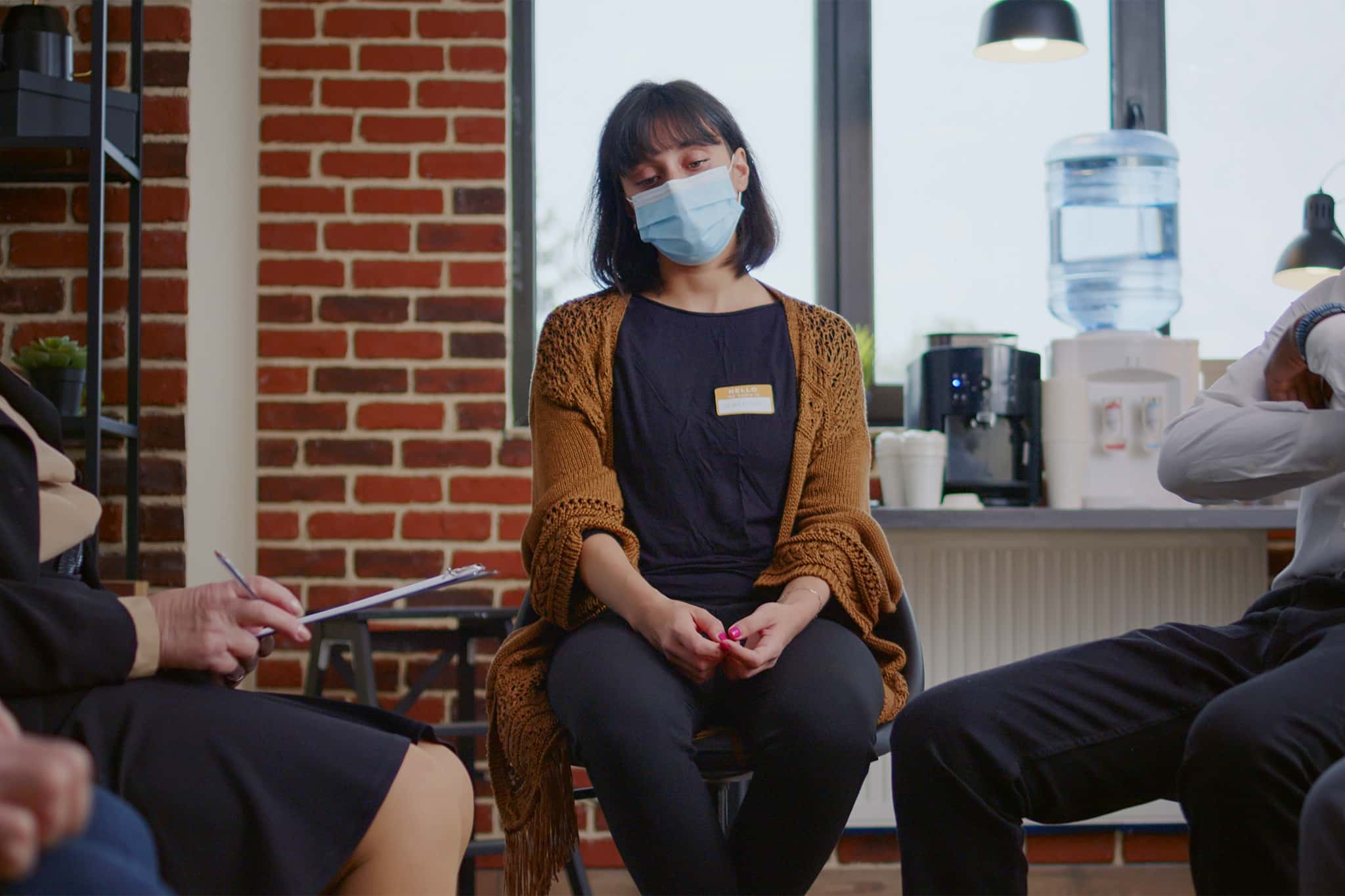
Sometimes you can feel very emotionally hurt, but no one else sees it. You may feel incredibly burdened by your pain when no one hears it inside your head. Stress can accumulate, and when trauma is brought back into the present, it can seem impossible to ask for help. Trauma treatment centers provide professional, step-by-step procedures for times when you can no longer help yourself. For more information on trauma treatment approaches, you can visit National Institute of Mental Health – Post-Traumatic Stress Disorder.
A lot of folks put off getting help because they’ve been through trauma, and it changes their perception of themselves and their environment over time. The trauma can lead to thoughts of being temporary or not serious enough regarding one’s struggle. Over time, unresolved emotional stress can affect one’s ability to concentrate, sleep well, maintain healthy relationships, and stay physically healthy. The sooner help is sought, the earlier this long-term success can be achieved.
How the Right Environment Supports Healing
The context of healing plays a larger role in recovery than many might believe. A safe, calming atmosphere can cultivate openness and promote emotional equilibrium, enabling therapy to work.
A Care Model That Sees the Whole Person
Effective recovery from trauma includes more than just the symptoms. It incorporates emotional patterns, thought processes, and daily routines. A holistic view helps develop an understanding of how one’s experiences shape their responses and ultimately allows an individual to see their progress as meaningful and sustainable.
Personalized Support That Evolves With You
Each individual’s healing journey is unique. Treatment plans are modified as an individual’s recovery progresses, allowing the person to feel supported and not pressured. This adaptive treatment process builds trust and encourages ongoing commitment to recovery.
Specialized Care for Stress and Trauma
A stress and trauma treatment center addresses the effects of long-term stress on the regulation of one’s emotions and the balance of one’s nervous system. The goal of specialized stress and trauma care is to help the individual understand their triggers and develop real-life strategies for coping. Over time, they will be better able to respond to difficulties with clarity and control over their emotions.
Choosing Care That’s Close and Accessible
When considering locations for trauma therapy, location is not always based on convenience, but also consistency. Therapy requires consistency to facilitate progress. Attending therapy sessions at an accessible location helps you stay committed to the therapeutic process without additional logistical issues and keeps the momentum going over time.
When Clinical Mental Health Care Is Needed
Some scenarios may require a more organized, medically informed approach. A psychiatric clinic in San Diego offers thorough evaluations and coordinated care programs that make it easier for individuals experiencing severe or complicated symptoms to get treatment. These facilities frequently provide combined treatment methods (e.g., therapy and medication supervision) to help patients achieve emotional and mental stability.
How Clinical Support Enhances Recovery
Health professionals have the opportunity to monitor progress in a clinical setting and adjust a client’s health care based on those observations. Clients in emotional crisis or with chronic physical or mental health issues benefit greatly from this degree of assistance.
The Role of Medical Professionals in Healing
Collaborating with a psychiatrist during your recovery process can add another dimension of expertise to your trauma recovery. Psychiatrists are trained to determine which type of care best meets your needs and to help you safely and effectively achieve your recovery goals. The psychiatrist will help you find the best treatment options, whether through medication, therapy, or a combination of both. They also contribute to the healing process in several ways, including:
- Performing comprehensive mental health evaluations to identify symptoms and contributing factors.
- Tracking your recovery and modifying your treatment plan as your recovery progresses.
- Responsible use of medications to minimize adverse effects and enhance positive outcomes.
- Working in collaboration with your therapist to provide comprehensive, effective treatment.
- Providing valuable, medically-based input that will enable you to feel empowered and confident throughout your treatment.
Key Benefits of Focused Trauma Treatment
Choosing an appropriate support system can change how we heal. The following are some of the most meaningful gains from having this type of healthy support system:
- Ability to have a structured schedule that supports emotional balance.
- Utilization of evidence-based therapy techniques.
- Having professionals who are knowledgeable about how trauma is experienced and how to help.
- Practical, everyday coping strategies.
- Long-term approaches to ensure wellness.
Conclusion
When you’re feeling overwhelmed by emotional pain, it’s important to remember that you’re not being weak. Instead, that’s your body telling you it needs help. Through supportive, compassionate, and individualized care, you can start to heal, replace feeling overwhelmed with a sense of clarity and balance, and begin to make your life feel possible again – one step at a time. While the first step towards finding help may be daunting, once you take it, you will discover that you have opened the door to change and begun a path of positive transformation.
In a supportive, professional environment, many people feel connected to their unique strengths and regain emotional stability. As you continue to receive care, over time, struggles that at first seemed impossible to understand will gradually become understood and provide hope for continuing to heal intentionally.
FAQs
How can I tell if I would benefit from trauma-focused care?
If you feel that emotional distress is affecting your daily life, your relationships, or your sense of well-being, focused trauma treatment may be appropriate for you.
Are treatments for trauma only for recent trauma?
No. The effects of unresolved trauma can begin to surface even many years after an event has occurred, and treatment will remain effective regardless of when the traumatic experience happened.
Will I require medication as part of my treatment?
The use of medication depends upon the individual and the type of symptoms present. Your receiving professional will likely provide information on the best course for you.
How long are focused trauma treatment programs?
The average length of a program depends on your personal needs and goals, but many programs offer flexible timelines to accommodate changes that may occur during your treatment.
What happens after my treatment ends?
Most treatment teams will work together to help you develop coping skills that you can use to maintain your emotional well-being after you complete formal care.