Feeling alarmed when your teen’s mood swings become more intense than usual makes sense. One of the many things to think about is that they may be developing bipolar disorder. Bipolar disorder is a psychological disorder marked by extreme changes in mood, energy, and thought and behaviour, and its symptoms are much more pronounced than the typical adolescent mood shifts. Mood variations in adolescents might be a bit more complicated than in grown-ups. For instance, the periods of mania or hypomania (very elevated mood, energy, or irritability) might be shorter or less distinctly marked, and the depression phase might coincide. Due to this obscurity, it may at times be challenging to recognize or distinguish it from other problems (such as ADHD, major depression, or behaviour issues).
This article is meant for parents, guardians, and young people who are looking for direction and support. If you are one of them and you are using MindVibe as a source, then welcome!
Effects of bipolar disorder in teens
The presence of bipolar disorder in a teenager manifests itself in various areas of life. It is necessary to either start early intervention or have continuing support that is effective. That is why bipolar disorder treatment is significant, either through online psychiatry. Here is how it affects your child’s daily life, along with his/her mental health:
- Academic and school performance: Mood swings, energy levels, and attentiveness are constantly shifting, and sleep is disrupted, making it hard to cope with school. For instance, a teenager may rise to the “high” phase of productivity and then come crashing down to poor grades and withdrawal in the depressive phase.
- Relationships and social life: The teenage years are already full of social challenges. With the unpredictable mood changes of bipolar disorder, the burden on friendships, family relations, and peer interactions can become unbearable.
- Risk behaviours: During the mania or hypomania phase, the teens may, through their impulsiveness and risk-taking, adopt extremely lavish lifestyles, do unprotected sex, take drugs, and drive dangerously, among others. These are signals that the teen needs help.
- Emotional and psychological health: The disorder’s high periods can result in irritability, euphoria, racing thoughts, and little sleep. The disorder’s low periods can lead to deep sadness, hopelessness, withdrawal, and even suicidal ideation.
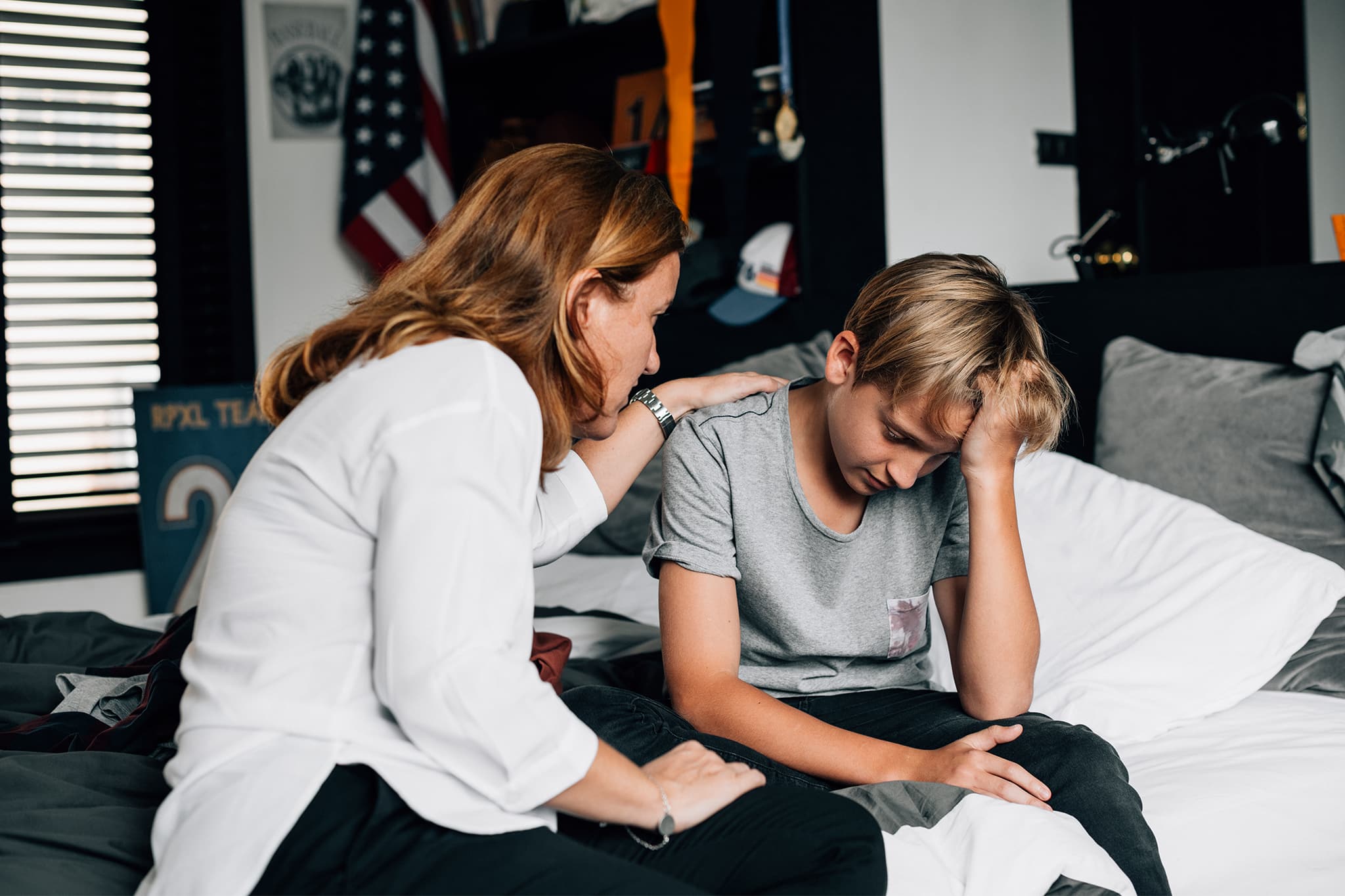
- Family stress and uncertainty: For parents and caregivers, it’s extremely tough and perplexing to see their teenager go through these changes. The first step to assisting is to understand the situation.
To spot early signs of bipolar disorder, you must be aware of
Paying attention to early warning signs can genuinely make a difference. Below are some of the key indicators:
1. Irregular mood or energy oscillations
When in a high (mania/hypomania): your adolescent might be talking excessively, feeling “the world is at his/her feet”, going without sleep, getting into many activities, or exhibiting crazy conduct. When in a low (depression): constant longing or irritability, seclusion, tiredness, loss of interest in the once loved activities, problems sleeping or sleeping too much.
2. Major variations in sleep, appetite, or behaviour
In case your child is pulling all-nighters for a number of days or sleeping too much without any apparent reason. Appetite or weight differences that are not due to dieting or physical changes. Abrupt decline in performance, focus, or school attendance.
3. Hazardous or reckless behaviour
When feeling high: engaging in risky stunts, splurging, sexual involvement, using drugs or alcohol. Acting in a highly uncharacteristic way, preceded or followed by a very low mood.
4. Rapid cycling or mixed symptoms
Sometimes the high and low moods appear close together, or symptoms of both appear simultaneously (known as a “mixed state”). Teens are more likely to show rapid shifts. If you see a pattern of “very high, then crash, then high again” within weeks or even days, that’s a red flag.
5. Family history and other risk factors
If one or both parents or close family members have bipolar disorder or another mood disorder, the risk is higher. Also, stressful life events, trauma, and substance use can trigger or worsen. When you spot several of these signs together, especially if the patterns are interfering with daily life, it’s time to seek professional evaluation.
The Best bipolar disorder treatment near you
A single medication or therapy does not determine the correct treatment for adolescents. It is a complete plan designed specifically for your teen. By combining these parts, you increase the chances of accessing the “best treatment for bipolar disorder” for your adolescent rather than just managing the symptoms with a patchwork of bipolar disorder treatments. Below are some factors to consider:
Precise measurement and diagnosis
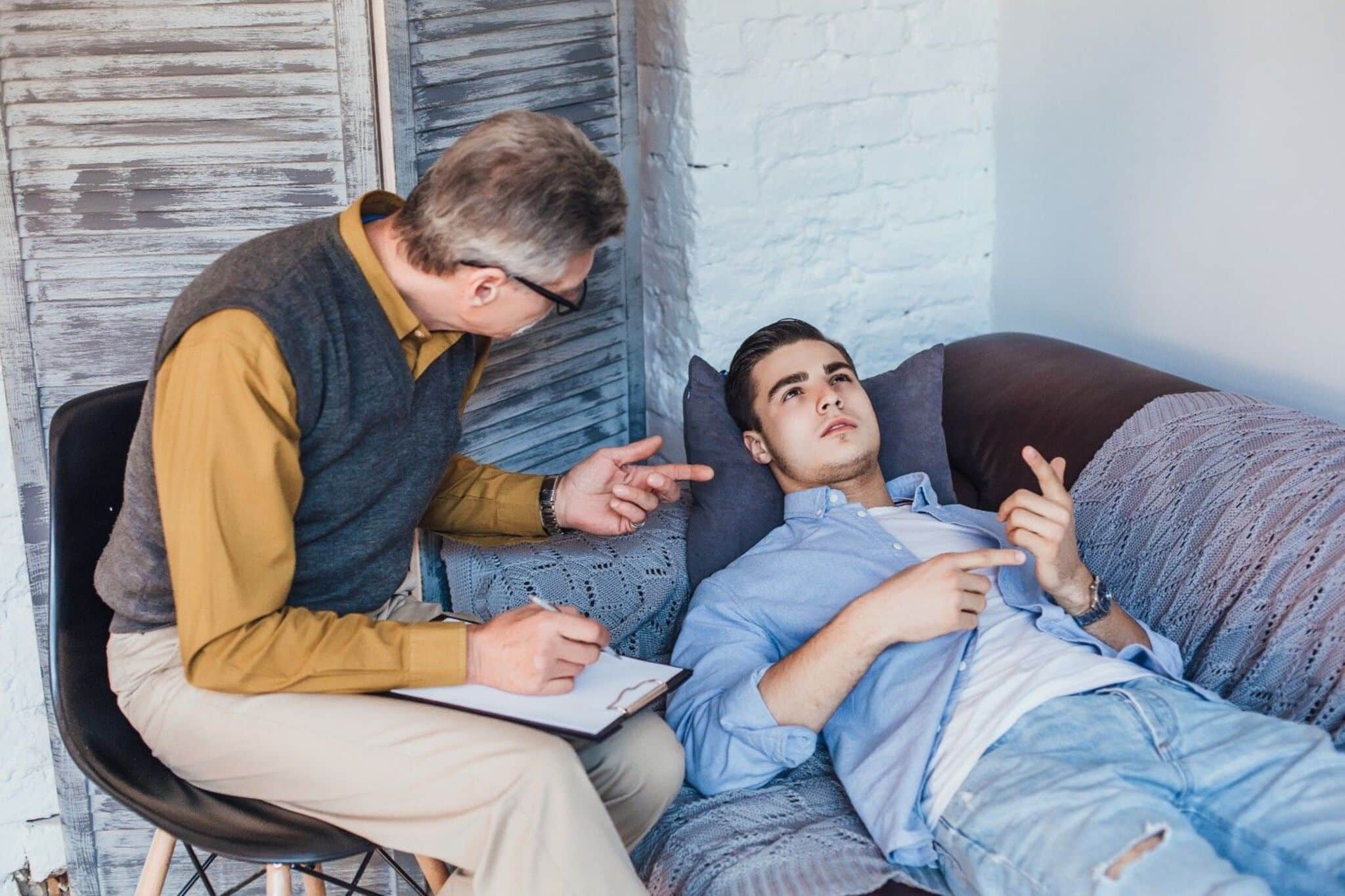
The manifestation of bipolar disorder in teenagers often resembles or coincides with other disorders; hence, a child/adolescent psychologist is to perform a complete assessment.
Drugs (pharmacotherapy)
The mood stabilizers and antipsychotic medicines are usually the mainstay of bipolar disorder treatment. The research supporting their use in children and adolescents is limited; consequently, their use must be very carefully monitored.
Therapies and psycho-education
Adolescence and family therapy would be instrumental in handling mood changes, developing coping mechanisms, and controlling daily activities (particularly sleep). Psycho-education will help everybody comprehend the situation and know the right way to react.
Increasing and stabilising lifestyle and routine.
Regular sleep, diet, and routine affect mood regulation; hence, establishing proper sleep-wake cycles, reducing stressors, and assessing for triggers are all important.
Support networks
A group effort involving school counsellors, family therapy, and peer support is necessary.
Availability of specialists and services
If you happen to be in or around Houston, collaborating with Houston mental health services for adolescents could be a wise decision. If the distance or the lack of options is a problem, then online psychiatry could be an alternative that offers remote access to medical care.
Identification of suitable local treatment
A search with the words “bipolar disorder treatment near me” can help you find clinics and specialists right next to your place.
Long-term view
Bipolar disorder is a lifelong condition. Eventually, consistent early bipolar disorder treatment, along with constant monitoring of the patient, will lead to great results.
Final thoughts
If you suspect your adolescent is having issues with bipolar disorder, you are not only not the only one, but also not helpless. Early recognition of symptoms, proper care seeking, and dedication to a treatment plan can be beneficial. The goal is not to simply “manage” symptoms but rather to enable your teen to live a fully supported life even as he/she is going through his/her condition. Through the proper bipolar disorder treatment, either in-person or online psychiatry services, you will be able to help your teen stabilize their moods, prosper in social and academic areas, and ultimately reach their potential.
For a deeper look at how structured support systems can help, explore our related post:
Bipolar Disorder Treatment: Creating a Safety Net That Works