
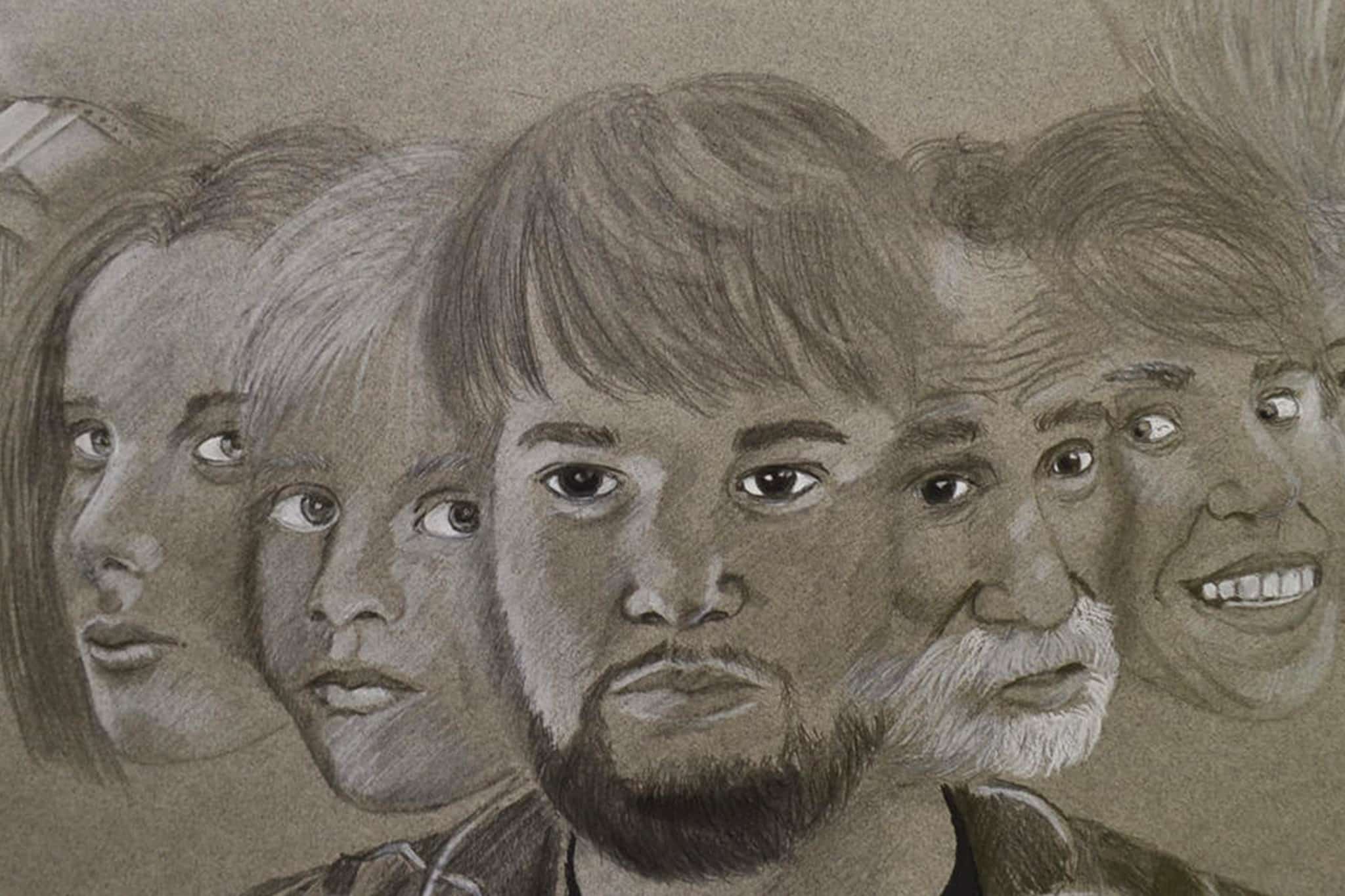
For some, a diagnosis of dissociative identity disorder (DID) is very shocking. Living with many selves can be confusing, exhausting, and sometimes feel isolating. On the other hand, being diagnosed can be a relief.
It gives a name to what once felt “different” or unexplainable. Understanding the diagnosis provides the ability to find dissociative identity disorder treatments and strategies to function better in everyday situations.
DID includes different levels of awareness related to having alters. People can have barely-there shifts (like shadows passing by) or possess an almost impeccable sense of awareness to the voices, preferences, and mannerisms of their alters.
Alters can display different moods and attitudes, and people with DID may demonstrate variable physical reactions to an event, which is usually not understood without the collaborative work of a psychiatrist or professional.
DID is the name for a diagnosis that professionals used to refer to as multiple personality disorder. Psychiatrists utilize established criteria to diagnose dissociative identity disorder. If you want to find answers related to DID, you can see a psychiatrist in Dallas or find an online psychiatry service to have an assessment and work toward stabilization.
Making Sense of Dissociative Identity Disorder and Its Daily Impact
Dissociative identity disorder, sometimes referred to as DID, is a mental illness in which the person experiences different identity states, or “selves.” During these shifts, he or she may notice gaps in memory and behavior and may experience strong dissociative symptoms. Life may feel erratic.
DID specialists understand the complexity of the condition, and they do not expect to solve the problem with a medication or therapy protocol alone. Care that is effective is usually a combination of psychiatric medication and – what I call – lifestyle strategies. For most people, the combination creates a building block for healing.
Psychiatry Medication in Dissociative Identity Disorder Treatments
There is no single pill that cures DID. Still, psychiatric medication helps manage related conditions such as depression, anxiety, or mood swings.
- Antidepressants are often utilized for depression related to trauma. These medications help improve the mood state and give the patient some control over distressing thoughts.
- Anti-anxiety medication used rarely can help eliminate panic attacks, or anxiety state, or feelings of being set on edge.
- Mood stabilizers and sleep medication help create emotional balance and support sleep, both of which are critical for healing.
A psychiatrist in Texas can guide medication management to ensure safety, side event management, and individualization. Most importantly, the intention is not to “erase” identities but provide stability and improve quality of life.
Changes That Support DID Recovery
Medications are an important facet of treatment for dissociative identity disorder, but they aren’t the whole story. How you live your life day to day determines how your mind and body will respond to treatment and care. Lifestyle changes may seem simple, and they will be simple to implement for therapeutic outcomes if they are adopted as habitual practices.
Structured routines bring stability
Living with DID means you can be triggered by sudden events or unexpected changes in your daily routines. A structured routine creates a sense of predictability and safety. When you have DID, predictability is a foundational treatment tool.
Sleep and nutrition matter more than you think
Proper sleep hygiene and nutrition are foundations for good mental health. Eating poorly and skipping meals, or relying on carbohydrate energy through sugar and caffeine can lead to mood swings and become exhausting! Poor sleep will limit your coping and increase the number of episodes of dissociation
Mind-body practices build connection
Dissociative disorders often create a sense of disconnection from the self and the world. Mind-Dissociative disorders commonly create disconnection and isolation from both the self and the world we live in. Mind-body approaches such as yoga, journaling, grounding techniques, and mindfulness will be practicing awareness and bring you back to the present moment. Journaling will enable you to identify patterns and emotions in your disconnection.
Support networks make healing sustainable
The connection to safe networks, such as family, friends and peer support groups, allows for the social safety net recovery to be sustained. For those in Dallas, mental health services in Dallas may provide an additional layer of care. Many of these programs provide education, resources, and group activities to cultivate community while reducing stigmas surrounding mental health.
Small steps add up over time
These changes may seem small or feel too simple at first. Recovery isn’t always about a one-time breakthrough – it is about stacking on small habits that help us to become resilient. With regular practice, a new habit can become an anchor to reduce triggers, encourage balance, and increase overall mental health.
These steps may feel small, but over time they build a sense of control and balance.
Why Work with a Dissociative Identity Disorder Specialist
General psychiatrists may be skilled in treating common psychiatric disorders, but DID requires specialized knowledge. A dissociative identity disorder specialist can recognize subtle dissociative symptoms and create a treatment plan that includes both medication and lifestyle support.
Searching for a psychiatric clinic near me is a good starting point. Many clinics now list if they offer dissociative disorders expertise. Working with the right professional ensures that care is not just generic but personalized and long term.
Online Psychiatry Services in Dallas TX for Flexible Care
Not everyone can make it to in-person appointments. Online psychiatry services Dallas TX are becoming a lifeline for people with DID.
Benefits include:
- Medication management from the comfort of home.
- Confidential and stigma-free care that removes the stress of waiting rooms.
- Flexible scheduling that fits around busy or unpredictable routines.
An appointment online may feel less overwhelming than a trip to a clinic. This makes it easier to stick with treatment and maintain consistency. Online psychiatry also expands access to specialists that may not be available locally.
Conclusion
Dissociative identity disorder treatment is about more than therapy. Psychiatric medications that work for your situation and changes in lifestyle offer you powerful tools for stability and recovery. Working with a dissociative identity disorder specialist at a psychiatric clinic near me or online psychiatry services dallas, tx not only helps you establish the right combination of medical support, but personal support too.
You are not alone. With the right guidance from experts at Mindvibe, living with many selves will become the pathway to wholeness, balance, integration and peace. Our team will help you with safe medication management, personal lifestyle strategies and support that will truly be a difference maker. For more information check out MindVibe.
FAQs
Can a person with Dissociative Identity Disorder be cured?
Dissociative Identity Disorder can’t be cured but dissociative identity disorder treatments, and psychiatric medication can help manage symptoms and improve day-to-day life.
How to help loved ones with Dissociative Identity Disorder?
Remind your loved one to connect with a psychiatrist in Dallas or use on-line psychiatry services. A supportive environment and regularly scheduled daily routines can help a person diagnosed with a dissociative identity disorder too.
What are the early signs of DID?
Memory gaps, mood changes, and time loss are signs to look for in evaluating whether to see a dissociative identity disorder specialist or a psychiatric clinic near me.
Can Dissociative Identity Disorder go away by itself?
Without treatment for DID, the stress, depression, and risks can be severe. Psychiatric care and online psychiatry services are excellent parts of self-structure to avoid worsening symptoms.
What happens if Dissociative Identity Disorder is not treated?
Without treatment, DID can lead to severe stress, depression, and risky behaviors. Connecting with psychiatric care and online psychiatry services prevents worsening symptoms.