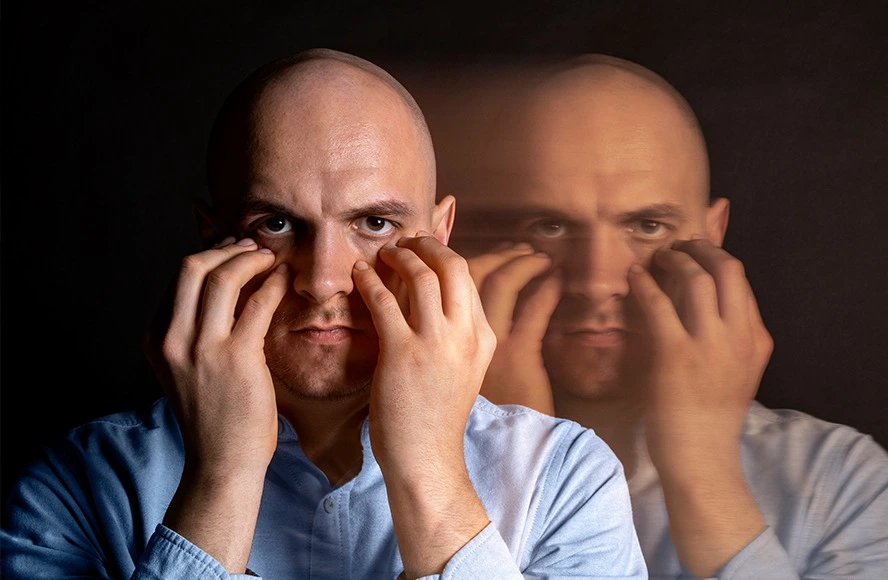

Understanding Real Healing in Schizophrenia Treatment
For both the person who has schizophrenia and their family, understanding what real healing looks like is key. It is difficult to understand. schizophrenia treatment often begins with medication but relies on much more than just the use of medications. The best approach to treating schizophrenia is by taking a whole-person, long-term journey/approach rather than using one approach to treat the condition. At MindVibe, we have created a care plan that recognizes each patient as more than a diagnosis, integrates medical services with emotional, psychological, and social support, and evolves with the patient over time.
For more information about comprehensive schizophrenia care, see NIMH – Schizophrenia guide, which explains treatment approaches combining medication, therapy, and psychosocial supports.
Why Medication Alone Isn’t Enough
Patients frequently rely on medication to assist them with their symptoms, such as visual hallucinations or disrupted thought processes. Still, medication, in and of itself, rarely provides the foundation necessary to engage in day-to-day living activities. In addition to multiple impact scenarios on a patient’s functioning and feelings, there are external influences such as stress, relationships, routines, and personal and professional objectives. Many times, providers only prescribe medications without integrating those other aspects of a person’s life and, therefore, leave the patient with limited progress toward recovery that is often undefined, impermanent, or too fragile to be sustained.
Understanding Symptom Management vs. Recovery
Coping with your symptoms is different from rebuilding a life of meaning. Medications might make you feel less symptomatic day to day. Still, your recovery from an illness is going to take place in conjunction with you learning your coping strategies, rebuilding confidence, and rediscovering your sense of purpose. This will require therapy, as well as other forms of structure and ongoing support, allowing individuals to move from getting through the day to moving on with their lives.
Role of Side Effects and Ongoing Support
Medications cannot work on their own because, in addition to the fact that medications do not work for everyone, there are side effects associated with them. Fatigue, weight changes, and emotional blunting are side effects that can impact motivation and self-worth. Without consistent check-ins for people about how things are going or emotional support, people may become discouraged from entering or continuing treatment, thereby placing themselves at greater risk for relapse.
A Holistic Approach to Healing
At MindVibe, we view mental health through multiple lenses, not just neurological and biological ones. We provide coordinated care that addresses emotional health, social functioning, and personal growth, along with the medical component, allowing us to be flexible and adaptable to changes in your circumstances.
Therapy as a Core Component
Therapy is a vital part of understanding your experience so you can build the tools needed to cope successfully with day-to-day life and the challenges it brings. Through the use of cognitive and behavioural techniques, therapy can help you to find alternate ways to reduce your distress, communicate more effectively, and make better decisions. As you continue to attend therapy, it can become a safe place for you to begin to regain and understand your sense of control and who you are.
Community and Lifestyle Support
Your healing process cannot happen in a vacuum. It is impacted by your routine, sleep, nutrition, and connection to others within your community. With better support, these areas tend to increase your sense of balance, stability, and security, creating a positive feedback loop in your clinical work.
Exploring Broader Care Options
When many individuals contemplate the available treatments for schizophrenia, they characteristically think of just medication management and adjustment. In actuality, treatments can comprise psychotherapy, skills training, family education, and supported employment. Together, they are integrated to address symptoms and quality of life, and to create a balanced, sustainable way forward.
Understanding the Full Diagnostic Spectrum
Instead of thinking of the term Schizophrenia Spectrum Disorder as a single entity, it more accurately reflects all possible independently observable behaviours of an individual at any one time. This allows the care team to support individuals according to their level of functioning and severity rather than using a single approach that is effective for all individuals with schizophrenia. Personalization makes treatment more relevant to the individual, and hence, will ultimately be more successful.
Benefits of an Integrated Treatment Plan
Having a comprehensive plan will give you both structure and hope during times when it may feel unpredictable. It is also easier to see progress when several supports are working collaboratively. Though the above benefits will not occur immediately, they will increase over time with continued support.
You will notice:
- Improved daily independence and functioning
- Improved ability to cope with stress
- Lower chance of a relapse with consistent monitoring
- Improved communication between families and their care providers
Choosing the Right Professional Support
Selecting a qualified mental health professional can have a significant impact on future outcomes. Choosing a psychiatrist in McKinney who has experience collaborating with you and clinical expertise in medication management means your treatment will be tailored to your individual needs. Establishing a productive working relationship with a provider will build trust, which is essential for continued involvement and openness between you and your clinician.
To provide a strong base for stabilization, medication management is often the first step toward treating schizophrenia. However, the real success of treatment will only occur when it goes beyond simply providing medications. When someone can work through all aspects of their life, they become more resilient and capable of creating a life they find meaningful and can direct.
Conclusion
Medication is an important first step, but not the capstone of one’s recovery from a chronic illness. The best outcomes arise when someone combines their medical care with other forms of treatment, such as psychotherapy, lifestyle changes, and support from caregivers and other relationships. MindVibe recognizes that one’s approach to treating schizophrenia should be viewed as a total journey and provides the framework for assisting individuals and families on their path to long-term healing, resiliency, and future hope.
Many people’s initial search for help in the area of mental health begins by entering mental health clinic near me into a web search engine, looking for resources that seem to be both physically and emotionally closer to their experience. The accessibility of services allows individuals to consistently receive the same type of care, which is typically easier when the service fits seamlessly into the person’s everyday life. Additionally, having local support keeps family members involved and reduces their need to rely solely on the person receiving treatment for updates and support during this process.
FAQs
Is schizophrenia treated with medication?
Antipsychotics are usually included as part of treatment. They are usually used alongside other therapies and ongoing support, as they provide better outcomes when combined with therapy and other resources than when taken alone.
What is the average length of treatment?
Treatment is generally long-term and can be adjusted as needed based on the individual’s symptoms, goals, and other changes in their life.
Can therapy have a positive impact, even with medication?
Yes. While medication can help with managing symptoms, therapy also helps individuals develop skills for coping with their experiences and improving interpersonal relationships and self-esteem.
What are some important areas for families to focus on to support their loved one?
Education, patience, and open communication with their loved ones about their mental health, as well as helping them continue to receive regular treatment from a qualified mental health care provider.
Is recovery achievable with the appropriate support, guidance, and resources?
For many individuals diagnosed with a mental health condition, receiving a comprehensive, individualized approach to treatment, including psychosocial rehabilitation, consumers can achieve significant improvement and stabilization over time.