Social media affects the majority of how we feel/think/connect on a daily basis. However, the way it affects someone living with psychiatrist bipolar disorder may actually be greater than most people realize. For those diagnosed with bipolar disorder, the social media pressure and FOMO (the constant need for instant gratification) can greatly affect their ability to maintain their emotional stability. A psychiatrist for bipolar disorder may find that the combination of social media pressure and the feelings of FOMO can lead to an increase in mood episodes and disruption of daily routines, resulting in a gradual decrease in their emotional stability.
Understanding Bipolar Disorder in a Digital Age
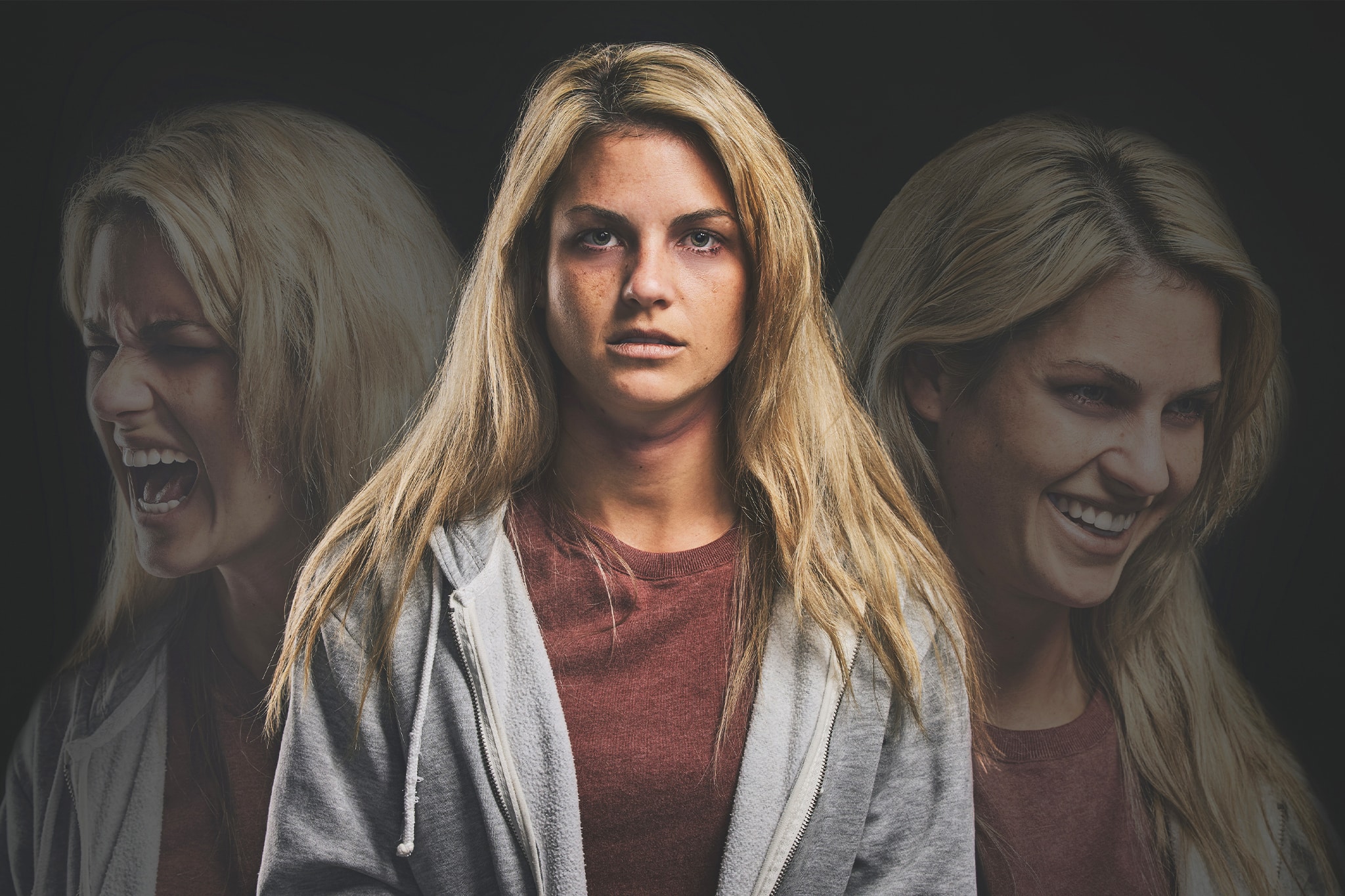
Bipolar disorder is a type of mood disorder characterized by alternating episodes of mania and depression, often triggered by external environmental factors. As such, bipolar disorder is becoming an increasingly prevalent effect of social media due to the rise and expansion of the Internet and social networking into our daily lives.
Many psychiatrists who treat patients suffering from bipolar disorder have observed that, as a result of the vast amounts of information available to us on the Internet, individuals are losing the ability to maintain healthy sleep patterns, develop adequate self-control over their impulses, and manage their emotions properly.
Because of the rapid evolution of digital technologies, treating patients with bipolar disorder has become considerably more complex than it was prior to the widespread existence of digital still photography, e-mail, blogs, and social networks, which contributed to the fragmentation of the social structure and the deterioration of many of the cultural norms that govern our societies.
The Cause of Pressure and the Illusion of Perfection
Social networks create an imaginary environment where people feel they must always seem to have it together, be having a great time, and be accomplishing something. Most social media content is heavily edited and does not accurately reflect day-to-day life.
How does viewing idealized lifestyles affect a person with Psychiatrist bipolar disorder?
Repeated exposure to an idealized way of living can, in some cases, lead to feelings of inadequacy or restlessness. A psychiatrist would see many of their patients display symptoms of emotional disturbance not due to a failure in their real life. Still, due to the time they spend comparing themselves to people they see online.
The American Psychiatric Association notes that social comparison through digital platforms can worsen mood symptoms in vulnerable individuals.
Emotional Consequences Over Time
The feeling of pressure will ultimately lead to reduced self-image and increased emotional exhaustion. Ultimately, the mind will begin to judge self-worth by unrealistic standards, thereby increasing the severity of both low and high mood states.
Fear of Missing Out (FOMO) and BPD
FOMO is a constant, intensifying emotional state that convinces people they are not living fulfilling lives or having as much fun as others. FOMO is amplified when people see others’ highlights on social media.
Because FOMO is persistent and creates emotional instability, a psychiatrist bipolar can identify patients with this condition by observing the effects of their behaviour during hypomanic or manic episodes, leading to unbalanced and impulsive behaviour, difficulty disconnecting from the outside world, and/or engaging with other individuals on social media.
How Mood Episodes Interact With Online Behavior
Social media affects individuals uniquely based on their moods.
During Depressive Episodes
When a person is experiencing depression, they may feel an increased sense of rejection or despair when scrolling through social media. Their low self-worth and emotional detachment can be exacerbated by negative comparisons with others on social media.
During Manic or Hypomanic Episodes
When someone is experiencing mania or hypomania, participating in social media may lead to more impulsive behavior, oversharing, or excessive time spent online. Psychiatrists who treat those with psychiatrist bipolar disorder frequently work with them to identify these trends early to mitigate future incidents of mania/hypomania.
Finding Accessible and Consistent Support?
Long-term stable mood requires consistent care. Most people would prefer more options for how they regularly receive care (flexible treatment options). Finding a psychiatrist treating bipolar near me? MindVibe is the Answer. We help you improve your ability to maintain regular follow-ups and manage your medications remotely. We provide you with emotional support more easily and sustainably than if you had not connected with someone locally.
The Role of Online Mental Health Services
The ability to readily access mental health care without sacrificing quality is another benefit of digital health care. According to the American Psychiatric Association, online psychiatric services can effectively support bipolar treatment through evaluations, therapy sessions, and long-term care plans.
Online BPD treatment can include therapy sessions, psychiatric evaluation, and ongoing management through a structured programme.
Building a Healthier Relationship With Social Media
One does not need to quit using social media altogether as part of the healing process. It is essential to understand how to utilize social media mindfully and intentionally. A psychiatrist who specializes in the treatment of psychiatrist Bipolar Disorder frequently recommends making small yet significant modifications in the user’s daily life; these include reducing time spent online, filtering what is being viewed on social media, and creating an offline routine to provide the user with emotional stability.
Final Thoughts
While social media alone is not necessarily bad for those suffering from psychiatrist bipolar disorder, many consider how it causes additional stress, anxiety, and a sense of ‘missing out.’ By engaging in active treatment from a licensed bipolar specialist psychiatrist and using individualized treatment approaches, these negative aspects can be reduced significantly, and a balanced and satisfying life can be created, even in such a highly technological society where we have a high degree of interconnectivity.
(FAQs)
Does social media increase the severity of psychiatrist bipolar disorder symptoms?
Absolutely, frequent or excessive use of social media may lead to more severe mood fluctuations due to disrupted sleep, increased feelings of comparison, or emotional overstimulation.
Why is it so hard for people diagnosed with bipolar disorder to manage their fear of missing out?
People may be more impulsive and experience more extreme emotional instability as a result of their fear of missing out, particularly during times of mania or depression.
Should someone diagnosed with psychiatrist bipolar disorder just stop using social media?
Not necessarily; mindful use and establishing healthy boundaries around your social media use are better than simply stopping use altogether.
In what ways can a psychiatrist assist in helping their patients manage social media triggers?
Psychiatrists can identify patterns of behaviour and help develop a treatment plan and lifestyle changes to promote mood stability.
How effective is receiving treatment for psychiatrist bipolar disorder via the internet?
Receiving treatment online can provide an individual with convenient ongoing support and be just as effective as in-person treatment when managed by qualified professionals.