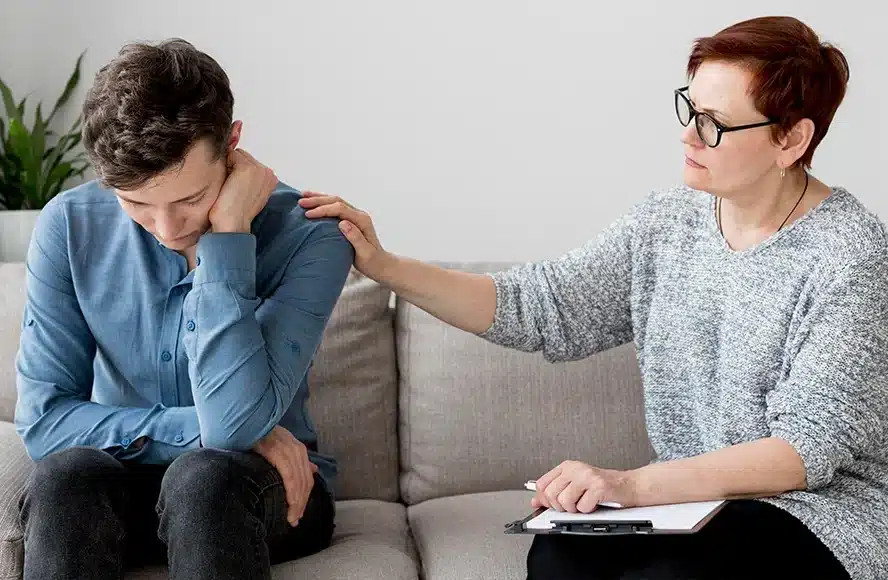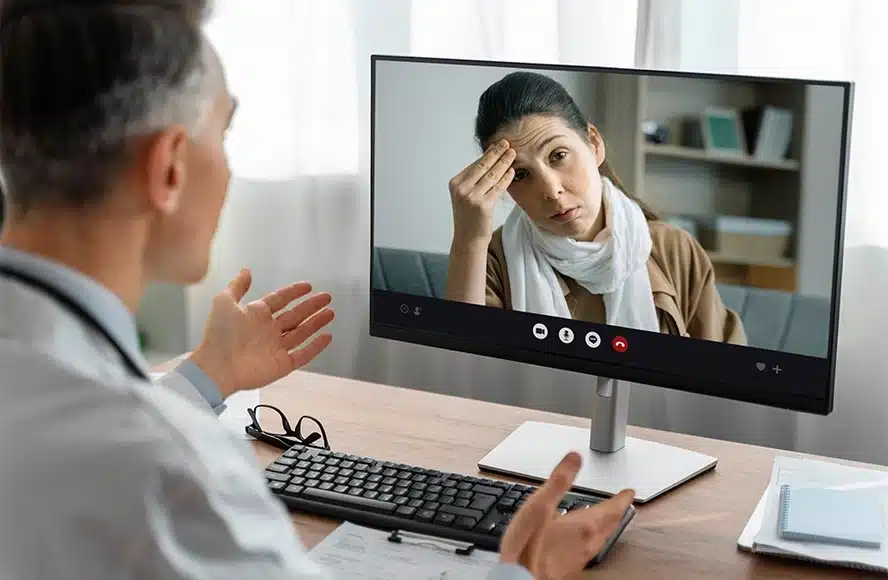

Some people begin their path towards healing from clinical depression at a treatment center because being depressed even for weeks or months can affect most areas of life, including your sleep, work, and relationships,s as well as how you feel physically. At MindVibe Depression Treatment Clinic, our treatment plans are original and not created quickly or simply; each plan is tailored to the individual’s symptoms, past experiences, and treatment goals. Once you determine how you would like to move forward, the next step is deciding what will help you achieve what you desire.
For a broad overview of medically proven depression treatments, including therapy, medications, and more, see this comprehensive guide on diagnosis and treatment of depression from the Mayo Clinic.
What Is the Best Treatment For Clinical Depression?
There are many different forms of depression, so there is no one treatment that suits everybody’s needs. The best combination of treatments considers a patient’s physical and emotional health,h as well as any medications they may have previously tried.
A Personalized Starting Point
A comprehensive psychiatric assessment is conducted to determine how severe a person’s symptoms are, whether they have anything else that needs to be treated, and how they have responded to other treatment methods.
Therapy and Medication Together
The combination of therapy and psychoactive medication is widely used in treating many types of mental illness, including depression. While medication serves to stabilize the chemical balance in the person’s brain, cognitive therapy can help individuals realize how their thought processes contribute (or prevent them from contributing) to improving their overall well-being.
Learn more about how therapy and medication work together on our blogs:
-
Depression treatment isn’t just medication—here’s the full picture
-
How psychiatric treatment for depression can improve mental health
What Are the Treatments For Depression?
Psychiatrist treatment for depression can be either traditional or advanced, depending on the individual’s reaction to a particular form of treatment.
Standard Treatment Options
These types of Treatments will form the base of any procedures for Recovery from Depression as they target both the mental and physiological components of Depression. Generally, standard treatment includes:
- One-on-one psychotherapy,
- Antidepressant medication, and
- Lifestyle & Stress Management Strategies
Advanced Treatment Options
When symptoms do not improve, additional treatments may be used to relieve them.
How Long Does Ketamine Treatment for Depression Last?
Ketamine therapy may result in the rapid improvement of patients with chronic depression That Have Failed Numerous Prior Treatments. Many Patients see results in days and may require follow-up sessions to maintain any improvements.
What Is ECT Treatment for Depression?
E-C-T should be used in severe and medically intractable cases. This Treatment Requires Medical Supervision and Is Generally Very Effective when all other Treatment Options Have Failed.
What Causes Treatment-Resistant Depression?
Treatment-resistant Depression is caused by having symptoms that continue despite having tried several medications or therapies. Reasons for this include biological, genetic, and concurrent conditions.
The Importance of Reassessment
The providers at MindVibe do not simply try a previously unsuccessful treatment again, as is common in medicine. The providers at MindVibe take the time to analyze their clients’ histories and adjust their treatment accordingly to improve the success rate of finding the best combination of treatments over the long term.
What Is the Treatment for Bipolar Depression?
Bipolar disorder canoccur because of the need to balance between multiple moods; therefore, treatment must involve stabilizing the different moods while patients are experiencing other symptoms related to depression.
Careful Medication Management
The use of mood stabilizers and other medications prescribed to treat a specific mental illness is a common practice. An experienced psychiatrist in Dallas can provide a correct diagnosis and monitor your medication closely, thereby minimizing any risk of continued mood instability.
Where Can I Find Outpatient Treatment for Depression?
Patients receiving outpatient treatment continue to have their daily responsibilities while still receiving consistent care. Check this blog: Can depression cause weight loss? Here’s what to know:
Flexible and Supportive Care
You probably care about accessibility when researching mental health clinics near you, such as MindVibe, which offers supportive psychiatric outpatient services rather than inpatient care.
Local Expertise Matters
Continuity of care and follow-up appointments are critical components in monitoring how well patients respond to therapy and making any necessary changes in their treatment. This is why it is of utmost importance to have access to a qualified DFW psychiatrist.
Quick Overview of Clinical Depression Treatment Options
| Treatment Type | Purpose | Best For |
| Therapy (CBT, talk therapy) | Reshaping negative thought patterns | Mild to moderate depression |
| Antidepressant Medication | Balancing brain chemistry | Moderate to severe depression |
| Ketamine Therapy | Rapid symptom relief | Treatment-resistant cases |
| ECT | Intensive intervention | Severe or unresponsive depression |
Conclusion
Even if you feel all alone, participating in your own pain due to depression can be treated effectively. The mind of wisdom is an organization that provides a structured and personalized approach to treating depression through modern mental illness (psychiatric) specialists, as well as through therapeutic, pharmaceutical, and advanced means of practice. The recovery process typically begins at a trusted clinic for depression (from a client’s perspective) with a provider who has the skills, knowledge, and tools to guide and support your journey toward long-lasting stability, clarity, and emotional well-being.
FAQs
What is the best treatment for depression?
The best treatment depends on individual symptoms and medical history. A combination of therapy and medication is often most effective.
How long does treatment usually take?
Some people improve within weeks, while others may need several months of consistent care.
Is outpatient care effective?
Yes. Structured outpatient treatment can provide strong support while allowing patients to maintain work or school routines.
When should I see a psychiatrist?
If depression interferes with daily life, sleep, or relationships, a psychiatric evaluation is recommended.