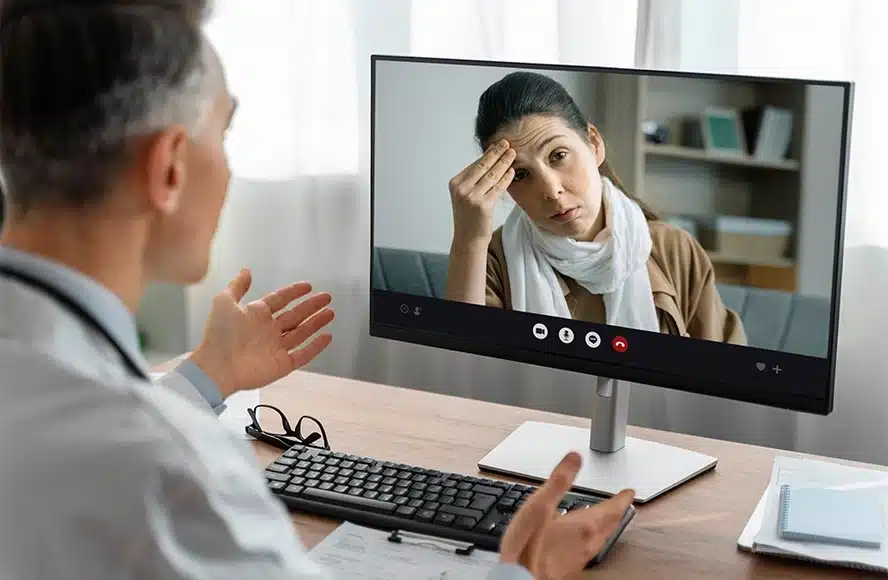
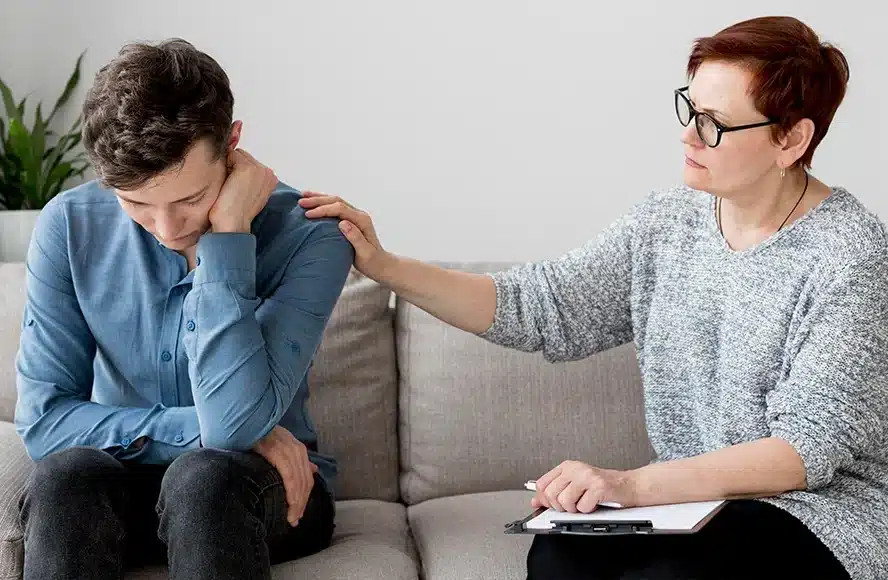
When experiences of emotional heaviness and ongoing anxiety interfere with an individual’s ability to perform his or her regular activities, the question is often raised as to what will really help. Many times, that question brings the person seeking assistance to a depression treatment clinic, where the care they provide is structured, customized, and created to treat both depression and anxiety together. At MindVibe, support plans are not created through trial and error but are based on clinical assessment, teamwork, and lifetime stability across both conditions.
Clinics that focus on comprehensive care often combine therapy, psychiatric services, and innovative treatments to support recovery. If you want to understand how structured programs support healing, this guide on how a depression treatment center can support lasting recovery explains how integrated care improves long-term outcomes.
What is the Best Treatment For Depression And Anxiety?
There is no one-size-fits-all answer. The best combination involves a mix of therapy, if required, along with lifestyle habit modification. As depressive and anxious behaviours frequently intersect, treating them as a whole rather than separately results in superior outcomes than treating them in isolation.
Trying to find an optimal treatment plan means considering all three realms simultaneously.
- Biology
- Emotions
- Environment
According to the National Institute of Mental Health, depression is one of the most common mental health conditions, affecting millions of adults each year and requiring individualized treatment approaches.
Learn more from the NIMH overview of depression and treatment options.
What is the Treatment For Depression?
The first stage of treatment is an extensive evaluation of your mental health. Professionals will assess the severity of your symptoms, any potential triggers for those symptoms, your history, and how you used to function. Then they will develop a detailed plan with you.
Psychiatrist treatment for depression usualy vary by individuals, but include talk therapy, medications, and specialised advanced treatments. The most important part of treatment is that it is flexible and that,t as you progress in treatment, your services can change.
What Are Some Treatments for Depression?
Several different clinically validated treatment options can be used alone or together to address the underlying causes of your addiction (i.e., opioids, alcohol, etc.) and provide you with symptom relief, increasing emotional resilience through an improved sense of well-being and support from family and friends.
- Cognitive Behavioural Therapy (CBT)
- Medication Management
- Lifestyle and Stress Management
- Brain Stimulation Therapies for Resistant Cases
How does Therapy help in the Treatment of Depression?
Therapeutic techniques serve as a way for you to identify and alter negative thoughts through structured sessions. You will identify how your negative emotions, behaviours, and beliefs interact with one another.
Therapy will help you build coping abilities, reduce your anxiety-triggering factors, and increase your self-confidence in managing stress in your daily life over time. Lastly, therapy provides you with a secure environment that allows you to work through unresolved issues that might be connected to any of your symptoms. However, effective care involves much more than simply telling someone to stay positive. Clinics that focus on deeper psychological support explain this clearly in why a depression treatment clinic offers more than just “be positive” advice.
What treatment for depression Involves psychiatric care
Medications can help stabilise brain chemistry in moderate to severe cases. A psychiatrist carefully prescribes and monitors medication for depression treatment; as a result, providing an appropriate level of care through regular evaluations using a qualified psychiatrist in California allows patients to make changes for improvement and/or side effects. This teamwork on treatment plans will enhance both the patient’s safety and overall results over time.
What is Treatment Resistant Depression?
Advanced options are an alternative treatment for patients suffering from a lack of improvement with two or more first-line medications; the inability to find a successful endpoint with traditional medications does not preclude recovery, but rather indicates that additional methods of treatment should be explored.
What is TMS Treatment For Depression?
Transcranial Magnetic Stimulation (TMS) is a non-invasive treatment that uses magnetic fields to deliver electrical impulses to regions of the brain responsible for emotions and feelings of well-being. TMS is frequently suggested for use as a stand-alone form of therapy when medication alone has failed to result in an acceptable level of improvement.
Because no sedatives are required with TMS and there are few systemic side effects, patients often report that TMS is much more comfortable than other treatments.
Ketamine-Based Interventions
This section will answer many commonly asked questions about ketamine therapy and clarify what to expect.
How Many ketamine treatments For depression
Patients will usually have an initial treatment package consisting of a series of treatments over a specific timeframe. The number of individual treatments required is dependent upon your depression severity and your response to treatment.
How Much is Ketamine Treatment For Depression
The cost of Ketamine Therapy for depression depends on the provider and the structure in use; however, consultations should provide enough detail about anticipated costs and what to expect.
Where Can I Get Saint Treatment for Depression?
SAINT is an accelerated brain stimulation treatment frequently used in specialized clinics. Each clinic is responsible for providing appropriate referrals to patients who require them.
Conclusion
People who experience daily life disruptions due to their symptoms often turn to the internet to locate a mental health clinic near them. While convenience is a factor to consider when searching for help, integrated care is of greater significance. Coordinated, efficient psychiatric treatment can be found at clinics that offer therapy, psychiatric services, and innovative treatment options all in one location.
The answer to the question “What is the best treatment for depression and anxiety?” resides in personalization. Personalised care would consist of a combination of therapies and psychiatry supplemented with the appropriate advanced treatment option if needed. The treatment services at MindVibe will be tailored to the individual with an individualized treatment plan, monitored for compliance, and modified as progress continues through the treatment process. With adequate resources available, the recovery process is likely to become more stable and enduring.
FAQs
How do I tell what care is best for me?
A full evaluation will help decide if treatment, drugs, or advanced treatment options are best for you.
Is therapy on its own enough?
In milder cases, yes. However, people with moderate or severe symptoms typically do better with a combination of treatments.
Are the new therapies safe?
Yes. When given by an accredited health care provider, therapy with TMS or ketamine is safe, effective, and well-researched.
How long will I be treated?
Treatment length varies; some patients improve within a few weeks, while others need longer-term care.
What if I have a relapse after treatment?
Continuous monitoring and follow-up care significantly decrease the chances of you having a relapse and promote continued improvement.