
PTSD Treatment in Houston, TX | In-Person & Online Psychiatry
Posttraumatic Stress Disorder (PTSD) can develop after exposure to a traumatic or life-threatening event. It may affect sleep, memory, mood, concentration, and relationships. At MindVibe Psychiatry, our clinicians provide evidence-based evaluation and treatment for PTSD and trauma-related conditions at our Houston clinics and through secure online psychiatry across Greater Houston and Texas.
Our diagnostic and treatment approaches are informed by DSM-5 trauma frameworks, APA practice guidelines for PTSD, and research from the National Institute of Mental Health (NIMH).


We Accept Insurance
Your mental health matters. We offer affordable psychiatric care for everyone and accept most major insurances, including Medicare and Medicaid.


If your plan isn’t listed, please contact us. We work with many insurance networks and can verify your benefits.
PTSD Symptom Domains (DSM-5–Aligned Domains)
Intrusion Symptoms
- Intrusive memories or images
- Nightmares related to the trauma
- Flashbacks or feeling as though the event is happening again
- Intense emotional or physical reactivity to reminders
Avoidance
- Avoiding thoughts, conversations, or feelings associated with the trauma
- Avoiding people, places, or situations that are reminders
Negative Changes in Mood and Cognition
- Persistent negative beliefs or expectations
- Emotional numbing or detachment
- Loss of interest in activities
- Difficulty experiencing positive emotions
- Persistent shame, guilt, or fear
Arousal and Reactivity
- Irritability or anger outbursts
- Hypervigilance
- Exaggerated startle response
- Difficulty concentrating
- Sleep problems
Understanding PTSD
PTSD can follow events such as serious accidents, interpersonal violence, disasters, combat exposure, medical crises, or other overwhelming experiences. Symptoms are diverse and may develop shortly after the event or emerge months later.
MindVibe clinicians carefully assess each individual’s trauma history, current symptoms, safety needs, and functional impact to build a thoughtful treatment plan.
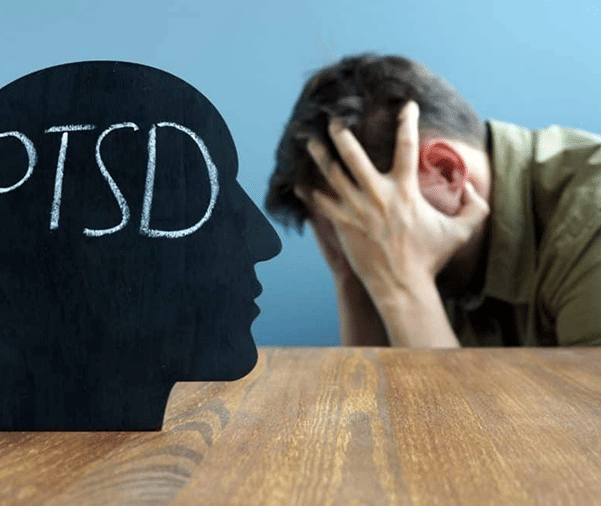
MindVibe’s Evidence-Based Diagnostic Approach for PTSD
Following DSM-5 and APA guidance, MindVibe clinicians use a structured process:

Trauma-Focused Clinical Interview
Clinicians explore trauma history, symptom patterns, time course, safety concerns, and daily functioning.
Safety and Risk Assessment
We evaluate current safety, including suicidal thoughts, self-harm behavior, or risk from others, and collaborate on appropriate safety planning when needed.
Differential Diagnosis
We distinguish PTSD from:
- Acute stress reactions
- Generalized anxiety
- Primary mood disorders
- Personality-related patterns
- Traumatic brain injury or medical conditions
Co-Occurring Conditions
We assess for depression, panic disorder, substance use, sleep disorders, and chronic pain, which frequently co-occur with PTSD.
Evidence-Based Treatment Options for PTSD
Treatment for PTSD is highly individualized and may combine pharmacologic and non-pharmacologic approaches.
Medication Management
Medications do not erase memories but may help reduce symptoms such as hyperarousal, irritability, depression, and sleep disruption.
Evidence-based categories may include:
- SSRIs – often first-line medications for PTSD
- SNRIs – may help with both mood and physical symptoms
- Adjunctive medications – sometimes used for nightmares or severe arousal, when clinically appropriate
Clinicians follow APA and other guideline recommendations when considering medication options, discussing benefits and potential risks with you.

Therapy Collaboration (Trauma-Focused Psychotherapies)
Many individuals benefit from trauma-focused psychotherapies such as:
- Trauma-focused Cognitive Behavioral Therapy (TF-CBT)
- Cognitive Processing Therapy (CPT)
- Prolonged Exposure (PE)
- EMDR (Eye Movement Desensitization and Reprocessing), offered by some therapists
MindVibe focuses on psychiatric evaluation and medication management and can collaborate with therapists who provide these modalities.
Sleep, Routine, and Supportive Strategies
These may include:
- Establishing more consistent sleep-wake patterns
- Gradual re-engagement in previously avoided but safe activities
- Building coping skills for triggers
- Developing supportive routines that promote stability
These strategies are tailored to each person’s needs and recovery pace.
When PTSD Symptoms May Be an Emergency
Immediate evaluation is necessary if you experience:
- Suicidal thoughts, intent, or a plan
- Significant self-harm behaviors
- Dangerous substance use combined with PTSD symptoms
- Aggression or inability to control impulses
- Severe disorientation or confusion
In these situations, call 911 or go to the nearest emergency room.
You can also call or text 988 for 24/7 crisis support.
Online PTSD Treatment in Houston
For many people with PTSD, traveling to a clinic can be difficult due to triggers, fatigue, or scheduling. MindVibe offers secure online psychiatric care that adheres to the same clinical standards as in-person visits, serving:
- Houston
- Southwest & West Houston
- Greater Houston suburbs
- The broader Texas region
Online treatment can be an important part of a trauma-informed, patient-centered care plan.

Ready to Begin Your Intake?
Start with our brief intake form, and our team will schedule your first visit with a West Houston psychiatric provider.
MindVibe Locations in Houston
988
Call or text the National Suicide Prevention Lifeline for 24/7 emotional support.
911
If you’re having a medical or mental health emergency, call 911 or go to your local ER.
FAQs About PTSD Treatment in Houston
Yes. We align our evaluations and treatment recommendations with DSM-5 trauma criteria, APA guidelines, and current research.
Yes. Many aspects of PTSD care—including medication management and supportive follow-up—are well suited to secure telepsychiatry.