The evolution of mental health treatment has come a long way; new therapies bring hope to those who have experienced unsuccessful standard therapies. One such example would be the Spravato treatment for those diagnosed with treatment-resistant depression. If you are considering an appropriate treatment option, you probably wonder what the experience will feel like and whether you can learn about the process. Knowing how the Spravato experience will feel can alleviate some of your uncertainty and make your path to healing feel less daunting.
For a detailed guide on preparation and what to expect during your first session, check out MindVibe’s complete Spravato guide it walks through everything from arrival to post-session care.
Understanding the Science Behind the Treatment
Before you look at the experience with esketamine, it is good to know how the therapy is used and differs from traditional antidepressants.
How the Medication Works in the Brain
Esketamine nasal spray treatment works on pathways of the neurotransmitter glutamate, while standard depression medications work only on pathways of the neurotransmitter serotonin. The mechanism of action of esketamine stimulates the formation of new pathways in the brain, which may result in improved mood and cognitive flexibility.
Standard medications for depression may take several weeks to produce an effect, while some patients experience a rapid response to esketamine within hours. Due to the unique action of this medication, you may only be able to take it in a controlled setting in a clinic.
Why It Is Done in a Clinical Environment
You will receive supervision from qualified health professionals while taking the medication. During treatment, the nurse or health professional must record your vital signs, emotional responses, and overall comfort.
Because of this, it is important to ensure that you are safe and emotionally supported while using this medication, because it has the potential to create temporary changes in your ability to see, hear, taste, or feel, or to have mild dissociative feelings during the time you are on it.
The Experience During the Session
Understanding the process can help reduce anxiety related to the experience you will have during your treatment.
The First Few Minutes After Administration
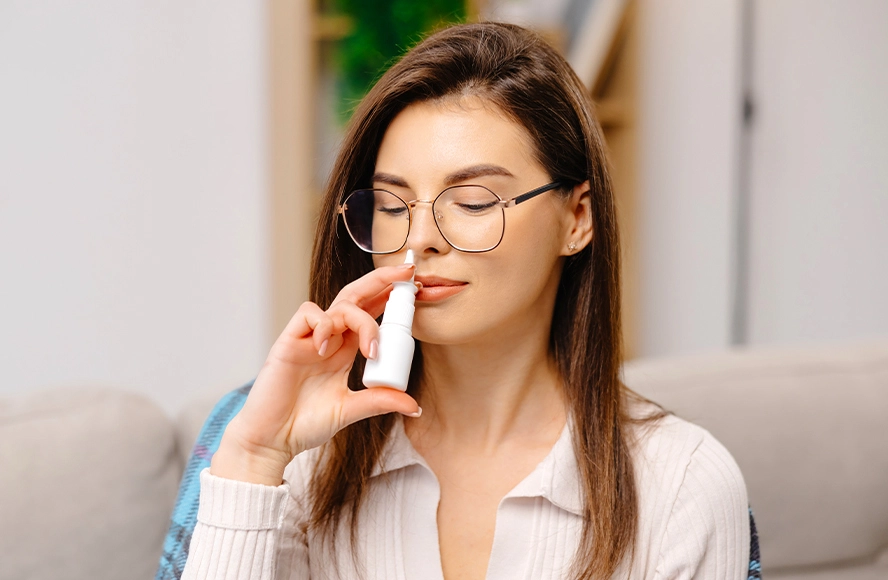
When you receive your esketamine treatment, you will receive an esketamine nasal spray. You may start to notice some minor changes in your perception a few minutes after receiving the medication.
- Some people say they feel relaxed or are not as anxious as they were before taking the medication.
- Others compare the experience to being in a very relaxed meditative state.
Sensory Changes You Might Notice
Patients will often report some of the following types of sensations or feelings:
- Light sensation of being ‘floated.’
- Alteration in their sense of time.
- Mild visual softness or ‘dreamy’ thoughts.
The above sensations will go away within 1-2 hours of taking esketamine, but healthcare providers will be present during this time to provide assistance and ensure safety.
Emotional Processing During Treatment
You may experience some clearer emotional processing after receiving the esketamine. The intensity of your thought-related feelings while receiving treatment may be less, and you may experience an ability to view your feelings more objectively than you could before taking the medication.
What Happens After the Treatment Session?
Once the acute effects have diminished, the person will gradually resume normal awareness.
Recovery and Observation Period
The majority of clinics will also provide time to relax after your session, allowing the patient to rest quietly in a safe area before trying to leave the clinic. During this time, the clinician will monitor the patient’s blood pressure and general well-being until the patient leaves the clinic.
If the person is still experiencing mild drowsiness, it is generally advisable that they refrain from driving for a period of time.
Emotional Changes Over Time
For many people, mood improvement develops over several treatment sessions. Some patients report:
- Fewer negative thoughts about themselves or their life situations
- More balanced emotions
- Feeling more motivated to make positive changes in their lives
The Role of Professional Guidance
Receiving treatment is much more successful when coupled with support from professionals and personalized care tailored to your individual needs.
Finding a Psychiatrist & Mental Health Provider
The environment in which you choose to receive therapeutic services affects how successful you will be as a patient. In particular, searching for a mental health clinic near me may help you identify those that provide specific diagnostic and therapeutic services that match your needs and are staffed by qualified mental health professionals.
Choosing the Right Mental Health Provider
When seeking Spravato treatment, consider clinics that:
-
Provide preparation guidance
-
Supervise sessions and aftercare
-
Employ qualified mental health professionals
Searching for a mental health clinic near me can help locate reputable providers. For broader guidance on safe and effective therapy options, this high-traffic NIH article on ketamine therapy for depression provides credible evidence and research-backed insights.
Working with a Specialist
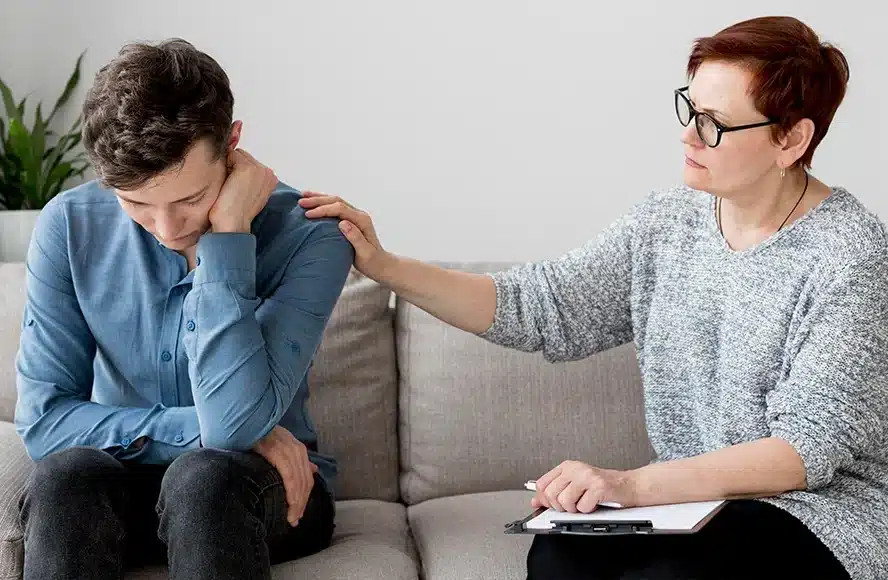
For many patients, this therapy is initiated after referral by their psychiatrist in Austin, TX, who will evaluate whether this treatment option is appropriate based on the patient’s diagnosis. Your psychiatrist should work with you to develop a treatment plan that incorporates prior therapy received and your personal mental and physical wellness goals.
What Patients Commonly Say the Treatment Feels Like
While each person’s experience will vary, commonly reported experiences share similarities. Formulations of the following experiences include:
A Calm, Reflective Mental State
Cape with a Balanced and Reflective Mental State. This gives some individuals the opportunity to distance themselves from the overwhelming sound of thought, thereby creating a different perspective on their own thoughts.
A Temporary Sense of Detachment
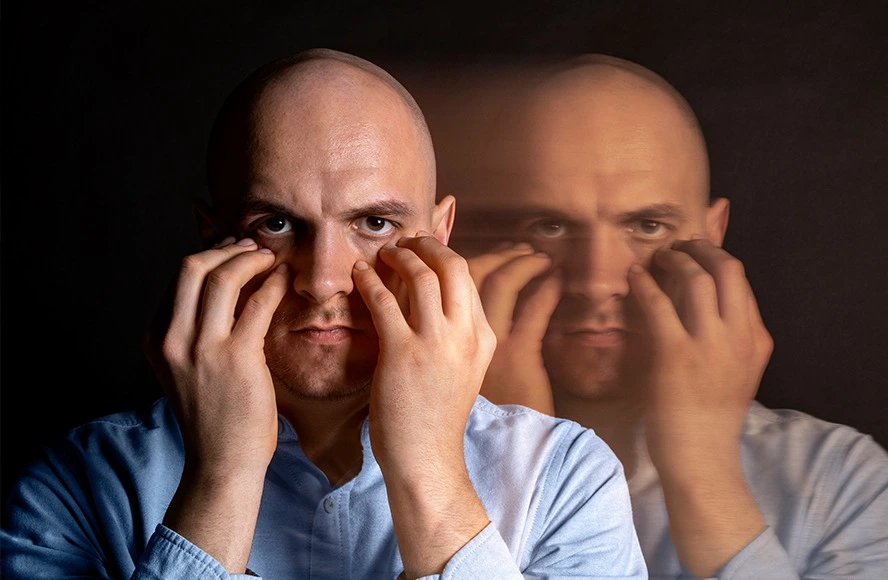
Temporary State of Detachment: Some participants report an unspecified amount of ‘dissociation’ from their own emotions while being able to observe their thoughts outside the normal emotional context.
Gradual Mood Improvement
Emotional Balance Related to Self-Care. After repeating such sessions three to four times, patients often report feeling lighter in emotion and more capable of managing daily difficulties.
Conclusion
Researching new mental health therapies can be daunting at times, especially when you’re unsure of what to anticipate. However, learning about the process of Spravato therapy may make the experience feel more welcoming. The method is highly supervised, organized, and intended to help persons who have not achieved success through conventional antidepressants. Through knowledgeable and experienced mental health professionals and a safe clinical setting, many people have found that this new type of therapy has provided new avenues to achieve emotional balance and a new sense of hope.
FAQs
1. How long does a Spravato session usually last?
Most sessions last about two hours, including medication administration and post-treatment monitoring.
2. Is the treatment painful?
No, the medication is delivered through a nasal spray, so the process is generally comfortable and non-invasive.
3. How many sessions are usually required?
Treatment plans vary, but many patients begin with twice-weekly sessions for several weeks before moving to a maintenance schedule.
4. Can I drive after the treatment?
Patients are typically advised not to drive on the day of treatment, as temporary drowsiness or dizziness may occur.
5. Who is a good candidate for this therapy?
People with treatment-resistant depression or certain mood disorders may be eligible after evaluation by a qualified mental health professional.